 English
  Español
  Português
  日本語
日本語  Français
  繁體中文
繁體中文  简体中文
简体中文 
Our Blog
Deepening Standards with an Open Mind: Our Learning Journey in Foot Health
Welcome to the Aybroad Technical Exchange Column. To us, this is more than just a space for sharing professional data; it is a collaborative platform where we seek advice and exchange ideas with global peers, clients, and supply chain partners. On the long road to pursuing ultimate foot health, we realize there is always room for growth. Therefore, we have decided to compile our R&D insights to initiate meaningful dialogues and explore the following with you:
-
Practice of Fundamental Standards: We will share our preliminary insights on performing ASTM D3574 physical property testing and researching HCPCS reimbursement coding systems, while seeking guidance from experts on more precise applications.
-
Exploration of Materials and Processes: Regarding antibacterial and decompression technologies under ISO regulations, we have documented our front-line trials and challenges. We sincerely invite experienced suppliers and peers to offer their guidance.
-
Continuous Study of Global Regulations: By organizing international guidelines such as the US FDA and European EN ISO, we aim to interpret evolving trends alongside our partners to ensure we remain on the correct path of compliance.
Aybroad is not be the largest or most professional enterprise, but we strive to be the most dedicated and humble practitioners. We wholeheartedly welcome technical guidance from industry veterans and look forward to growing alongside our clients through technical challenges. Every piece of feedback you share is a precious gift to us. Let us work together, starting from the smallest standard details, to contribute to every step taken by users worldwide.
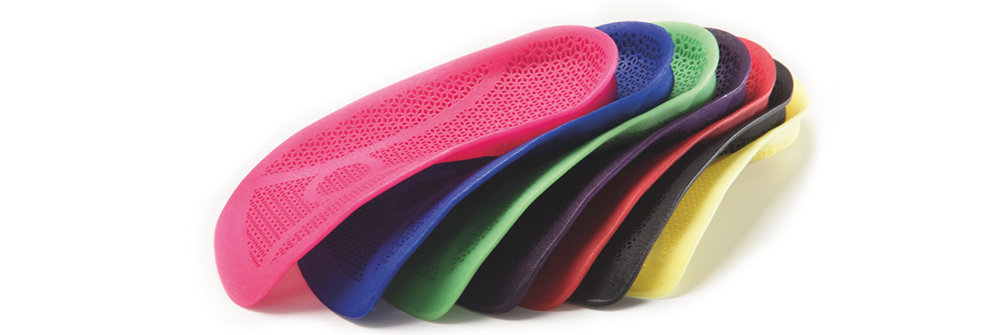
Custom Insole Manufacturer in China: OEM & ODM Solutions for Global Footwear Brands.
As global footwear brands continue seeking innovative comfort, orthopedic support, and performance enhancement, China has become one of the world’s leading manufacturing centers for custom insoles.
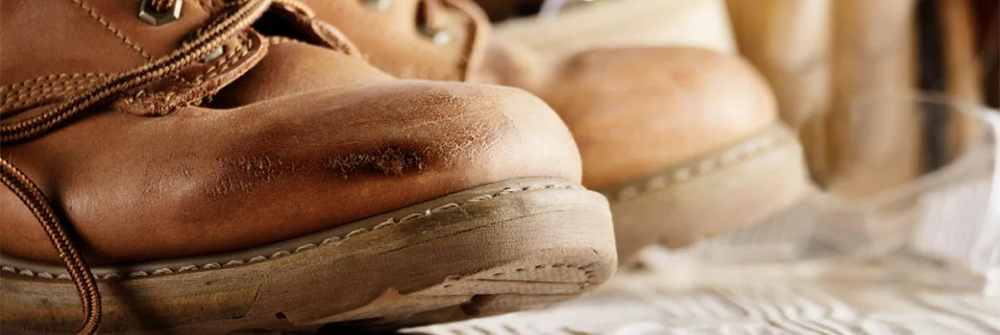
Workers who spend long hours standing on concrete floors, carrying heavy loads, or walking continuously in industrial environments often experience severe foot fatigue, heel pain, and lower back discomfort.
For industries such as construction, manufacturing, logistics, warehousing, and mining, proper footwear alone is often not enough.
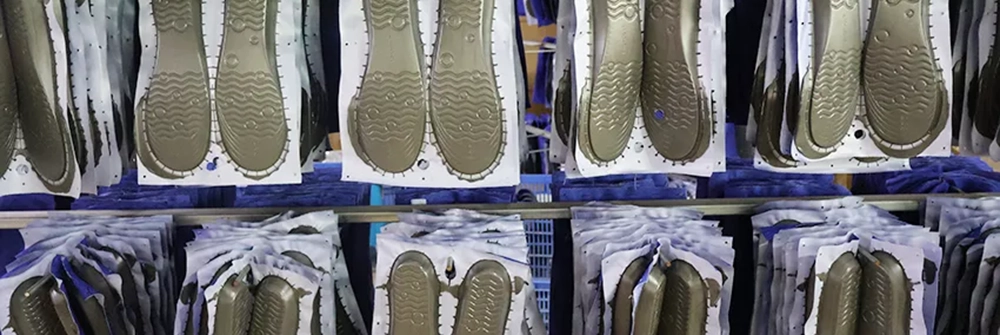
As global footwear brands continue seeking innovative comfort, orthopedic support, and performance enhancement, China has become one of the world’s leading manufacturing centers for custom insoles.
Today, brands, distributors, orthopedic companies, and footwear startups are increasingly searching for reliable partners such as:
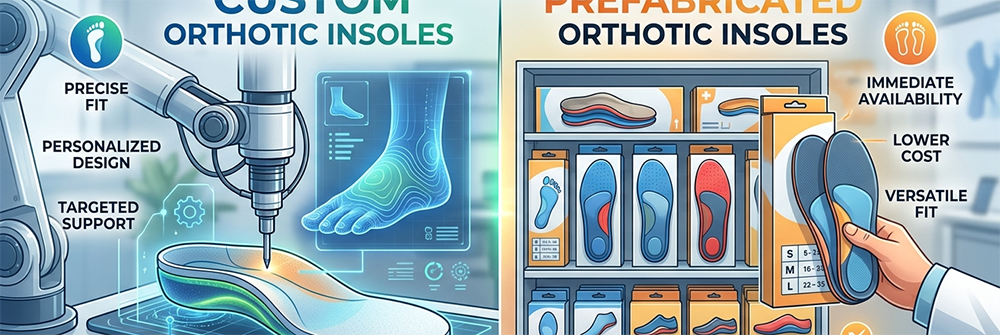
Foot pain, fatigue, and biomechanical imbalances are increasingly common in modern lifestyles. Whether for sports performance, workplace safety, or clinical medical support, orthotic insoles have become an essential solution for improving foot function and reducing skeletal stress.
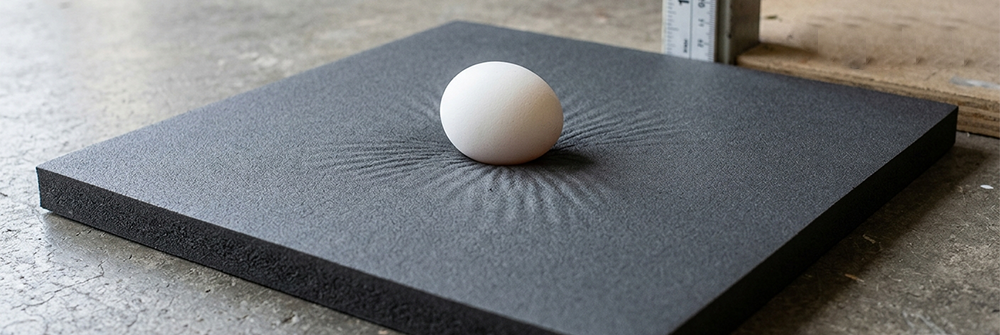
Advanced Shock Absorption Insoles – Impact Diffusion Technology for Sports Performance
In high-impact activities like running and training, shock absorption is one of the most critical factors affecting comfort and performance.
Traditional foam materials mainly compress under pressure, but advanced materials with impact diffusion capability offer a completely different level of protection.
In this article, we explore how high shock absorption, impact-diffusing materials are changing the way performance insoles are designed.
Impact Diffusion Material vs Traditional Insole Materials – A New Standard in Shock Absorption
Insole materials play a critical role in comfort, performance, and foot protection. Traditional materials like EVA, PU, and foam have been widely used for years.
However, a new generation of materials—Impact Diffusion Materials—is changing how shock absorption works.
In this article, we compare impact diffusion materials vs traditional insole materials to understand their differences and advantages.
When it comes to evaluating cushioning performance, technical data is useful—but real-world demonstrations are even more powerful.
One of the simplest and most effective ways to show impact absorption is the egg drop test.
In this article, we demonstrate how advanced cushioning materials used in insoles can absorb impact and protect fragile objects under extreme conditions.
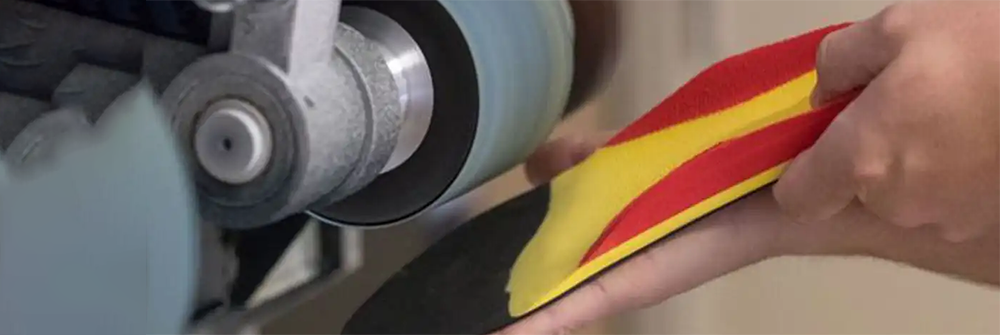
How to Choose the Right Insole Manufacturer
Finding the right Insole Manufacturer is one of the most important decisions for footwear brands, distributors, and product developers.
A reliable supplier not only ensures product quality but also helps optimize cost, improve performance, and support long-term business growth.
In this guide, we will explain how to choose the right Insole Manufacturer, what to look for, and which factors matter most.
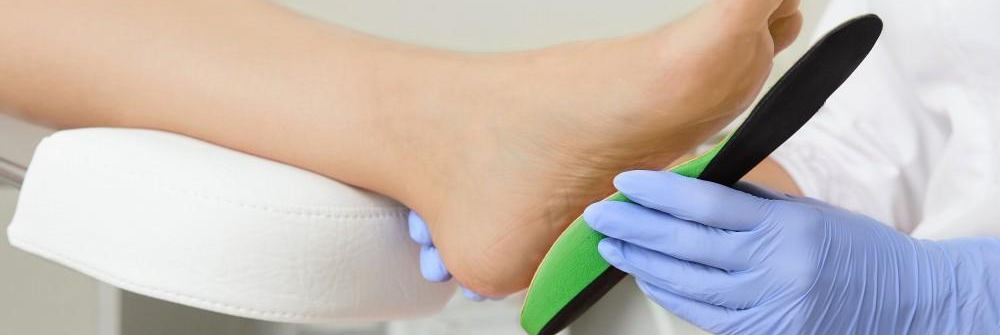
Private Label Insoles – A Complete Guide to Building Your Own Brand
The global insole market continues to grow, driven by demand for comfort, sports performance, and foot care products.
For distributors, e-commerce sellers, and footwear brands, launching private label insoles is a practical and profitable way to enter this market.
In this guide, we explain how to build your own insole brand step by step.

Custom Insoles Manufacturer – From Concept to Mass Production
Developing custom insoles is one of the most effective ways to differentiate your products in a competitive market.
Whether you are a footwear brand, distributor, or e-commerce seller, working with a professional custom insoles manufacturer allows you to turn your ideas into high-quality, market-ready products.
In this guide, we walk you through the complete process—from concept to production.
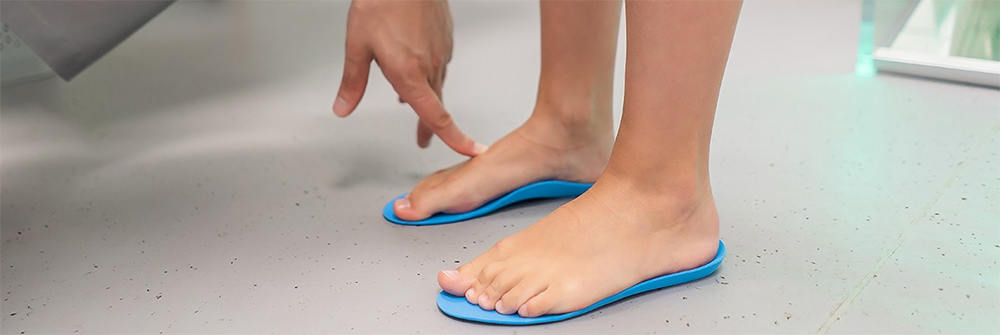
Best Insoles for Flat Feet – How to Choose the Right Support
Flat feet are a common condition that can affect comfort, stability, and overall foot performance.
Choosing the right insoles can help improve support, reduce fatigue, and enhance daily comfort.
In this guide, we’ll explain how to choose the best insoles for flat feet and what features matter most.
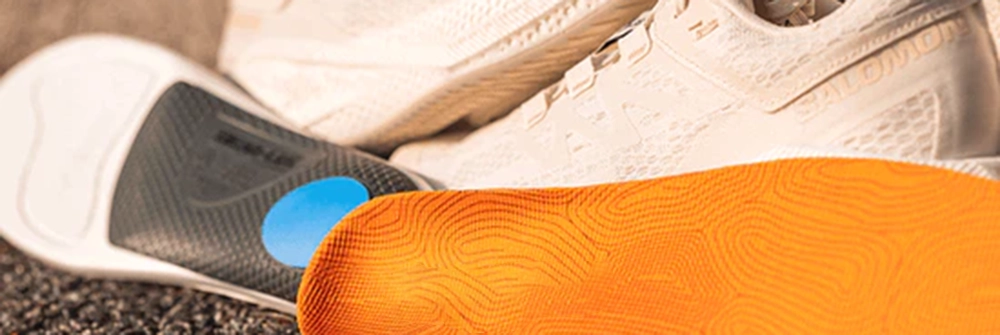
Running Insoles vs Training Insoles – Which One Do You Need?
Choosing the right insole depends on how you move. Running and training put very different demands on your feet, which is why Running Insoles and Training Insoles are designed differently.
In this guide, we break down the key differences to help you choose the right option.

Sports Insoles – Improve Performance, Comfort, and Protection
Whether you are a professional athlete or a casual runner, the right sports insoles can significantly improve your comfort and performance.
In this guide, we’ll explain what sports insoles are, their key benefits, different types, and how to choose the right one for your needs.
ESD Insoles play a critical role in protecting sensitive electronic environments and ensuring workplace safety. But what exactly are they, and how do they function?
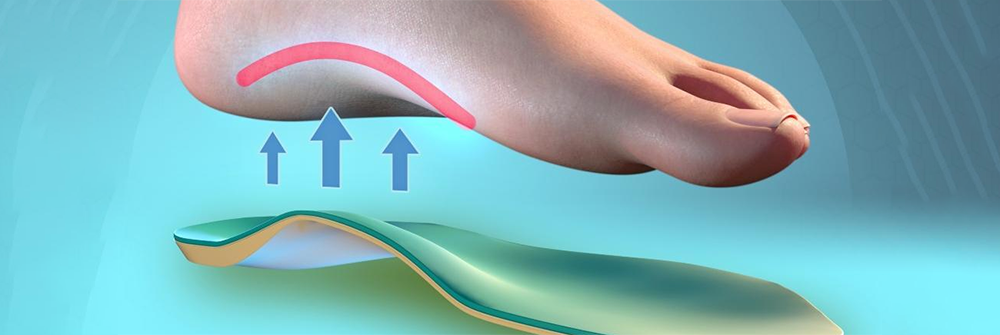
Plantar fasciitis is one of the most common causes of heel pain, affecting millions of people worldwide. For those suffering from this condition, choosing the right footwear support is critical—and this is where plantar fasciitis insoless play an important role.
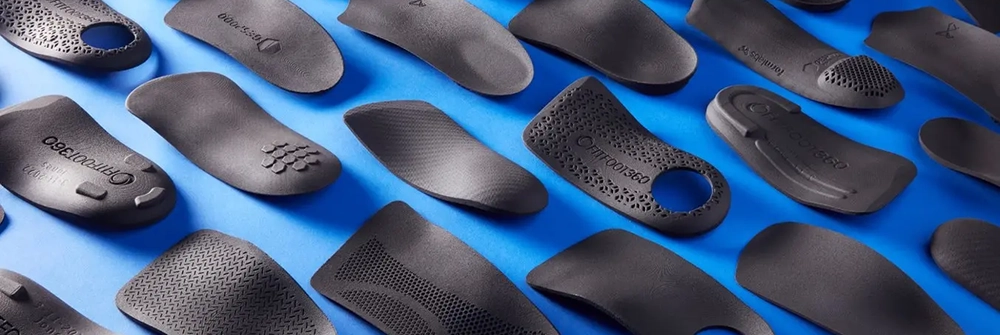
Insole manufacturing involves multiple processes—material foaming, molding, lamination, cutting, and finishing. At each stage, defects can occur that affect comfort, durability, appearance, and overall product quality.
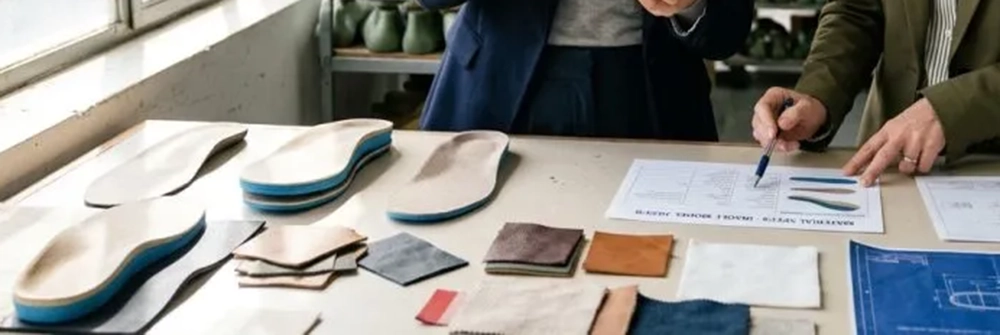
When sourcing insoles for markets like the United States and Europe, certifications are not just “nice to have”—they are often essential for compliance, safety, and market access.
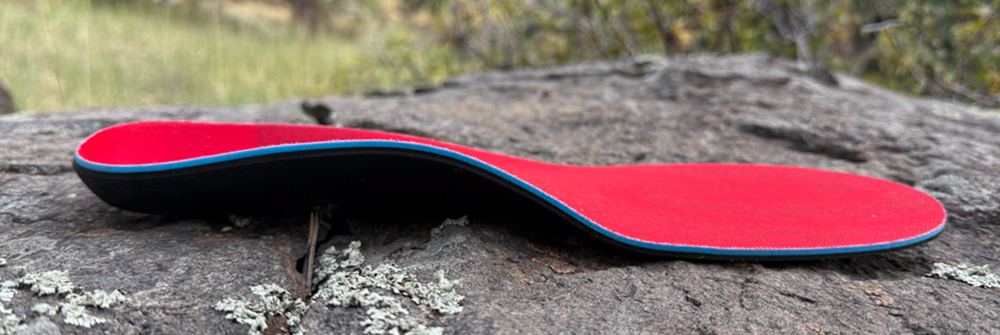
In modern sports footwear—especially running and training shoes—high-rebound insoles have become a key performance feature. Unlike traditional cushioning that mainly absorbs impact, high-rebound insoles are designed to return energy to the user, improving efficiency and reducing fatigue.
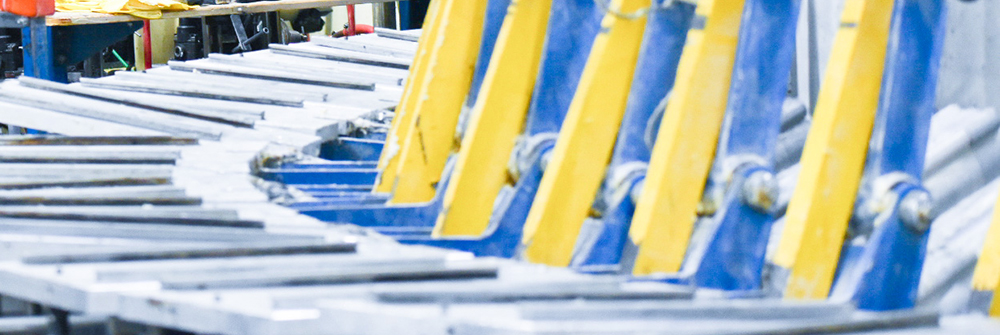
When developing insoles, choosing the right manufacturing process is just as important as selecting the right material. Two of the most widely used methods are injection molding and compression molding.
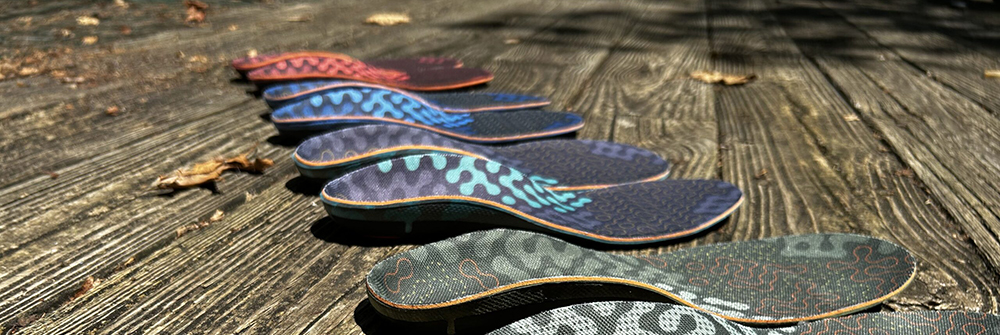
In insole development, one of the most common design challenges is balancing breathability and cushioning. Both are critical for comfort, but improving one often comes at the expense of the other.
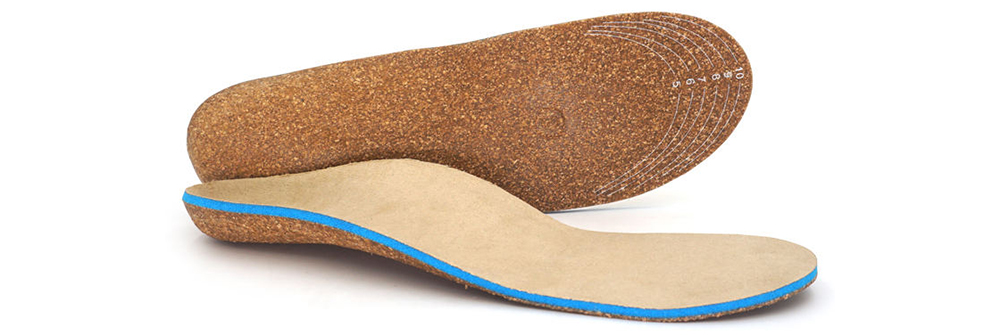
Sustainability is no longer a niche trend—it has become a core requirement in the global footwear industry, especially in Europe and the United States. For brands, retailers, and importers, choosing the right sustainable materials for insoles is now essential for meeting consumer expectations, regulatory requirements, and long-term business goals.
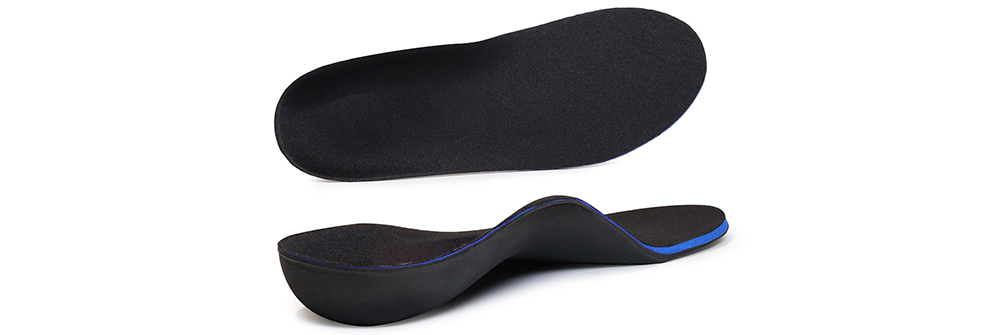
Orthotic insoles were once considered a niche product used mainly for medical conditions. Today, they are rapidly moving into the mainstream footwear market, driven by growing awareness of foot health, advances in technology, and changing consumer behavior.
For brands, retailers, and manufacturers, this shift represents a major opportunity—but also requires a clear understanding of how the market is evolving.
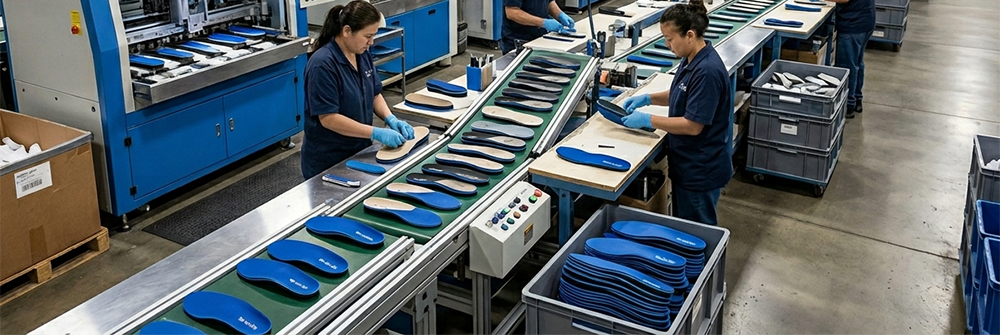
In today’s global supply chain, many brands and importers work with overseas manufacturers they may never visit in person. While factory audits are ideal, they are not always practical due to time, cost, or travel limitations.

Importing insoles from China can offer significant cost advantages—but many buyers focus only on the unit price and overlook the hidden costs that can impact overall profitability.
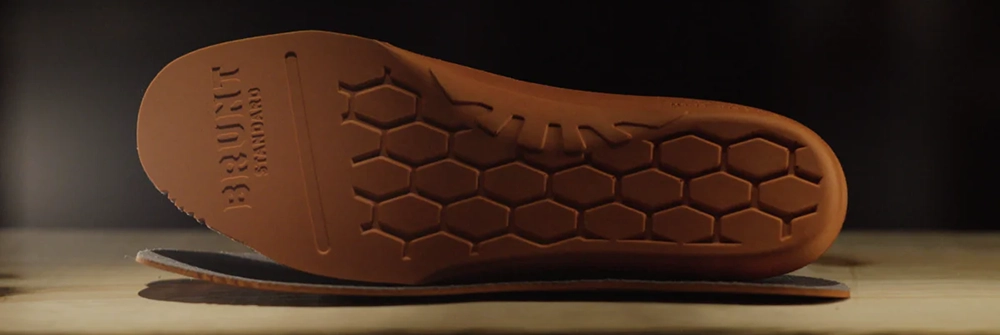
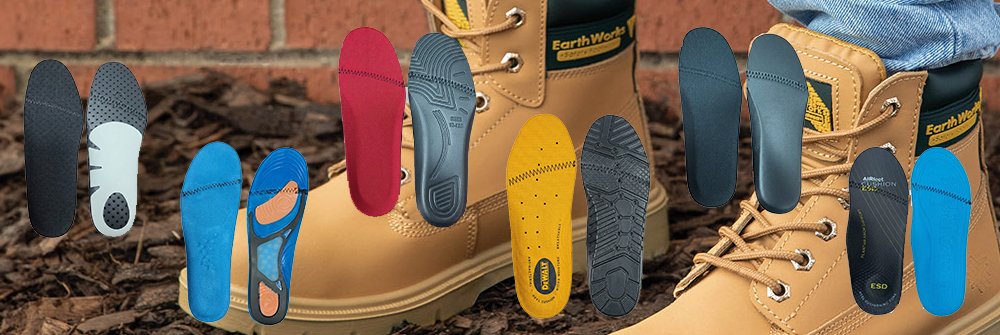
Work boots are designed for protection and durability—but without the right insoles, they can quickly become uncomfortable during long working hours. For industrial workers who spend 8–12 hours standing or walking on hard surfaces, insoles play a critical role in reducing fatigue, improving comfort, and preventing injury.
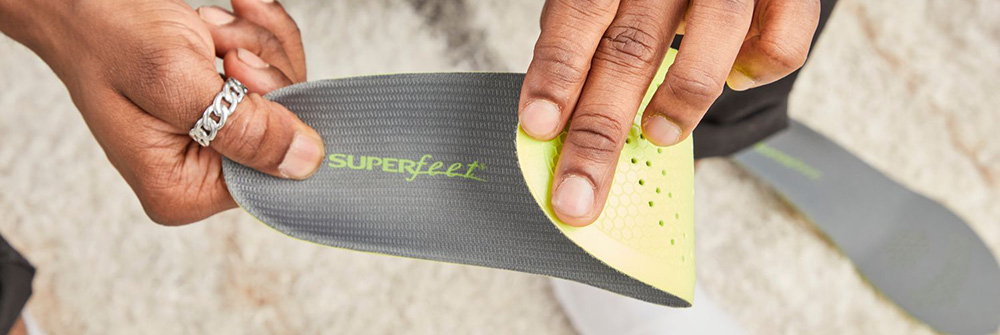
As competition in the running footwear market intensifies, brands are looking beyond outsoles and uppers to differentiate their products. One of the most overlooked yet powerful components is the insole.

Designing insoles for kids’ shoes is fundamentally different from designing for adults. Children’s feet are still developing, which means the focus is not only on comfort, but also on healthy growth, safety, and proper support.
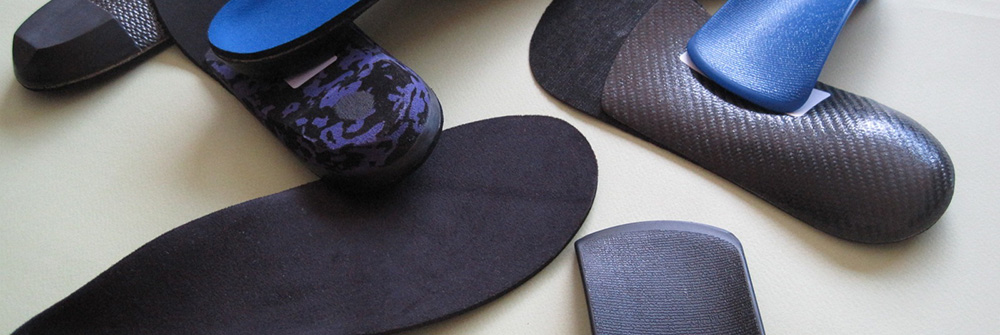
The running shoe market is evolving rapidly, and insoles are no longer just a basic component—they are becoming a key performance differentiator. As consumer expectations rise, running brands are investing more in advanced insole technologies to improve comfort, energy return, and injury prevention.

In recent years, Custom Insoles have experienced strong growth in both Europe and the United States. Once considered a niche medical product, they are now widely adopted across healthcare, sports, and everyday footwear markets.
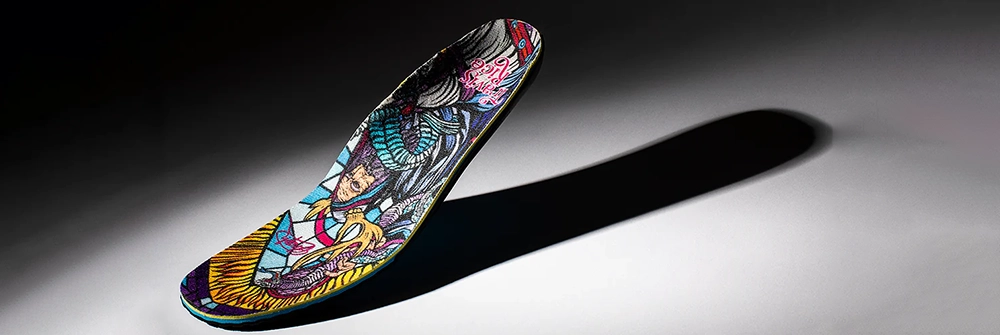
Shock absorption is one of the most critical performance indicators for insoles, especially in sports, work, and orthopedic applications. A well-designed insole should reduce impact forces, protect joints, and improve overall comfort during walking or running.
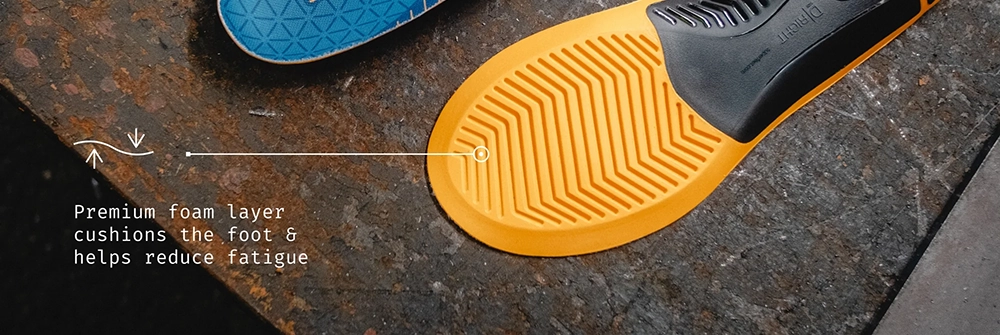
In industrial environments, workers often spend 8–12 hours standing or walking on hard surfaces such as concrete floors. This leads to fatigue, foot pain, and long-term musculoskeletal issues.

As the demand for advanced comfort and performance footwear continues to grow, have become an increasingly popular choice in both sports and everyday applications. Known for their unique cushioning effect and dynamic pressure distribution, these insoles are widely used in premium and innovative product lines.
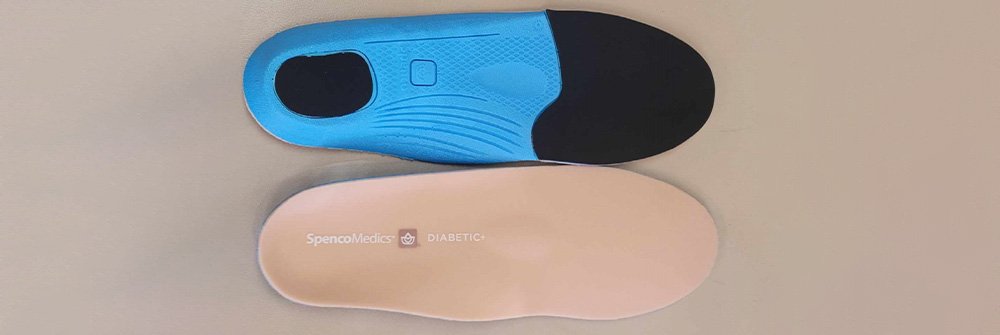
Diabetic foot care is a highly specialized area in footwear design. For people with diabetes, even minor pressure points or friction can lead to serious complications such as ulcers, infections, or long-term tissue damage.
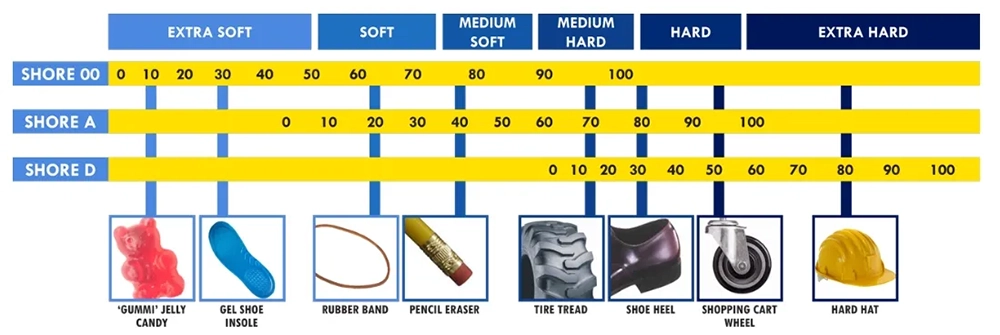
Choosing the correct hardness for insoles is one of the most critical factors in product performance, comfort, and durability. Whether you are developing custom orthotic insoles, sports insoles, or everyday comfort products, understanding Shore hardness helps you make the right material decisions and avoid costly mistakes.
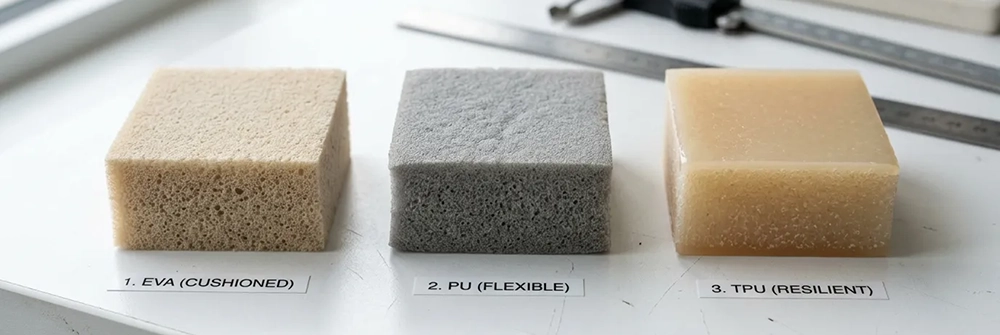
Choosing the right material is one of the most important decisions when developing or sourcing insoles. Among all available options, EVA, PU, and TPU are the three most widely used materials in the footwear and orthotic industry.
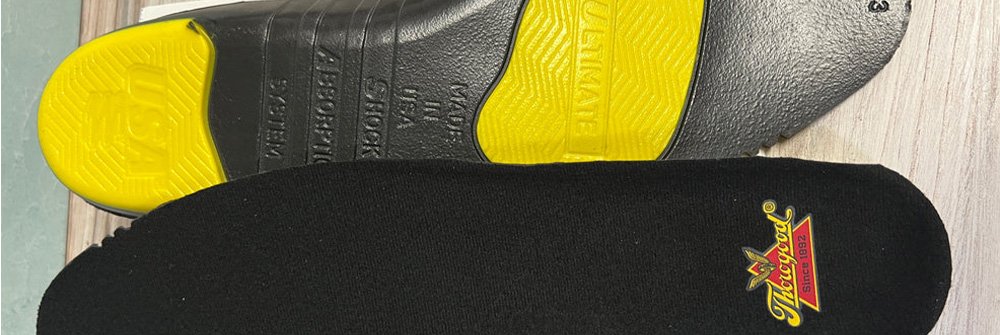
When developing or sourcing insoles, density is one of the most important—but often misunderstood—material parameters. Many buyers focus only on hardness (Shore A/C), but density plays an equally critical role in determining how an insole feels, performs, and lasts over time.
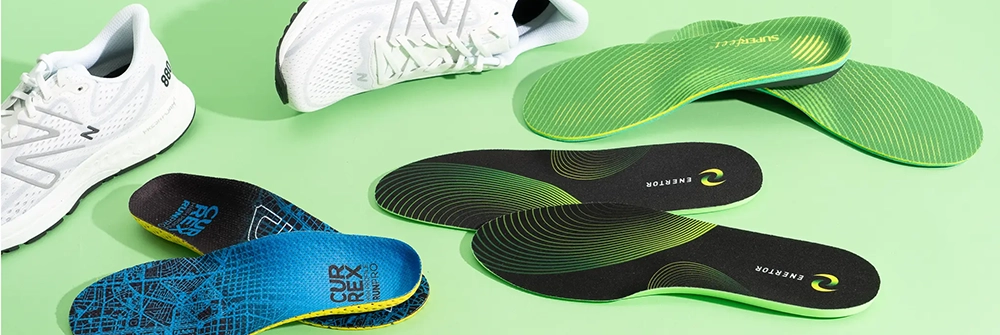
In today’s competitive footwear and orthotic market, choosing the right insole manufacturer is no longer just about price—it’s about quality, innovation, reliability, and long-term partnership.
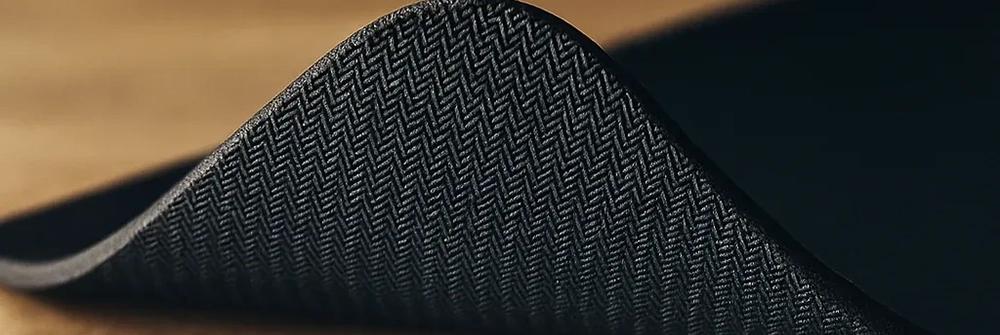
In the world of corporate procurement, the focus is often on the "big ticket" items: ergonomic chairs, height-adjustable desks, and high-performance laptops. However, a significant portion of employee discomfort and equipment wear-and-tear happens at a much smaller scale—the 900 square centimeters of space right under the user's hand.

In the modern digital workspace, where professionals spend eight or more hours a day glued to their screens, the tools we use define our productivity and long-term health. While ergonomic chairs and mechanical keyboards dominate the conversation, one critical accessory is often overlooked: the humble mouse pad. Yet, this small surface is the primary interface between a user’s hand and their digital environment.
For high-volume B2B buyers and tech accessory brands, selecting the right base material for a mouse pad is a decision that impacts everything from shipping costs and branding quality to the end-user’s health. While the market is flooded with cheap alternatives, understanding the technical differences between Polyurethane (PU) Foam, Natural Rubber, and PVC is essential for building a premium product line.
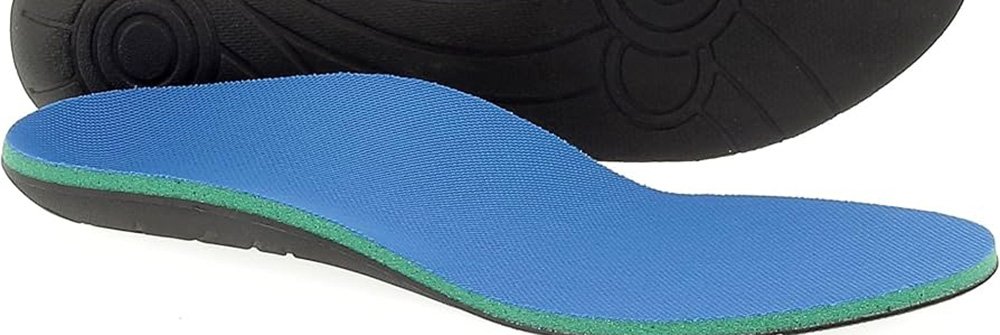
The foot and ankle health market has seen explosive growth recently. As an insole manufacturer, we’ve observed a massive shift in orders from "general comfort" to "biomechanical correction." Orthotic insoles are no longer medical devices confined to clinics; they are becoming essential daily accessories for the public.
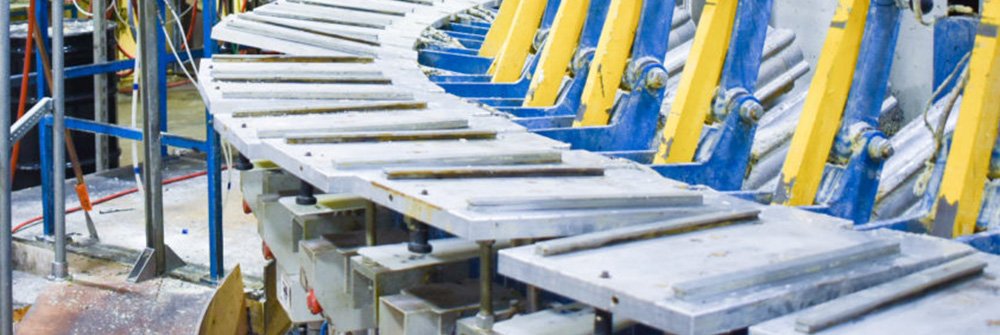
Insole performance is fundamentally determined by materials. For brands and buyers, understanding the characteristics of different materials is essential for making the right product decisions.
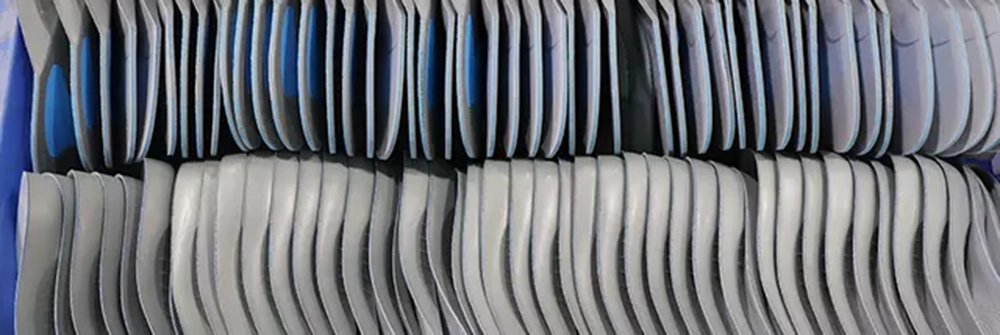
The global demand for orthotic insoles is growing rapidly due to increasing awareness of foot health, sports performance, and long-term comfort. For brands, distributors, and medical suppliers, choosing the right orthotic insoles manufacturer is a critical business decision that directly affects product quality, customer satisfaction, and brand reputation.
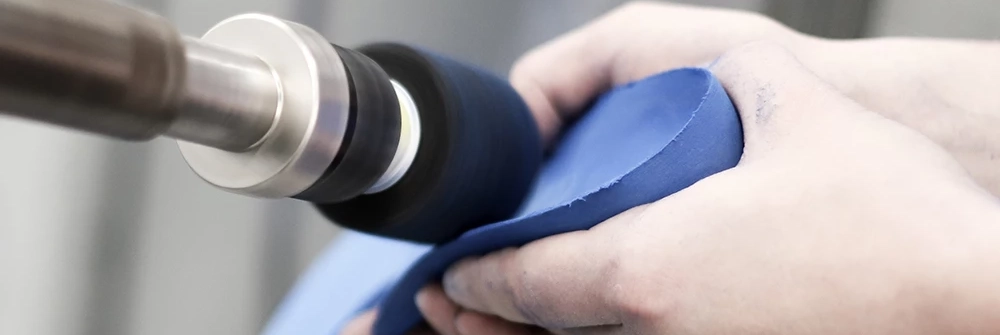
For brands entering the foot health or footwear market, custom orthotic insoles offer a powerful way to differentiate products. However, many buyers do not fully understand the manufacturing process behind these products.
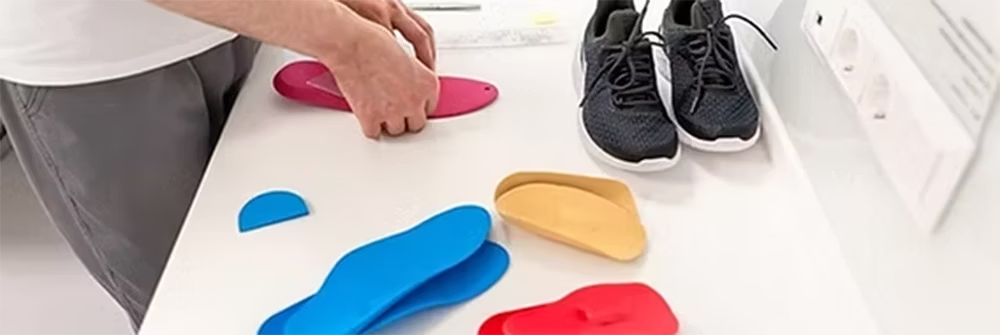
With thousands of insole suppliers worldwide, finding the best orthotic insoles manufacturer can be challenging. However, high-quality factories share several key characteristics that set them apart.
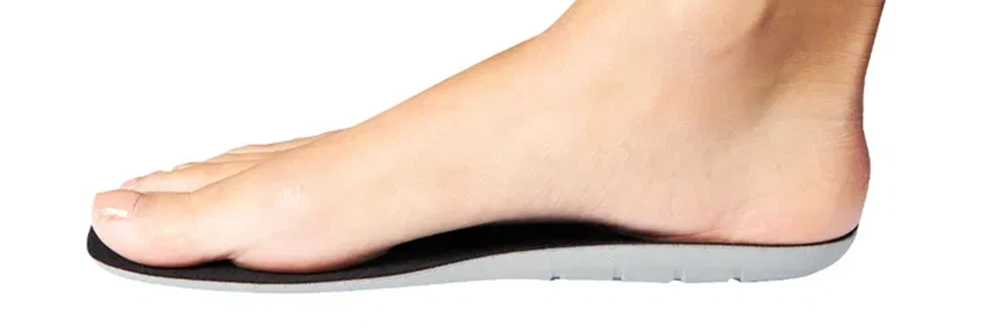
In the world of footwear manufacturing, the insole is often referred to as the "soul" of the shoe. For athletes, runners, or those standing for long hours, the pressure on the soles of the feet can reach several times their body weight. Having spent years in insole R&D and production, our factory has witnessed every major material revolution. Among countless combinations, the fusion of PU and GEL remains the industry's "gold standard" for impact protection.
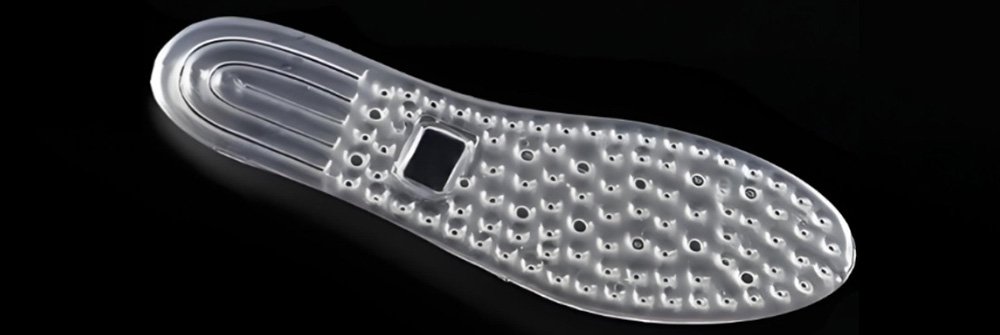
Manufacturing a high-performance orthotic insole is an exercise in precision. When bonding dissimilar materials like TPU (Thermoplastic Polyurethane) and CR (Chloroprene Rubber), even the smallest oversight in the lamination process can lead to aesthetic flaws or structural failure.
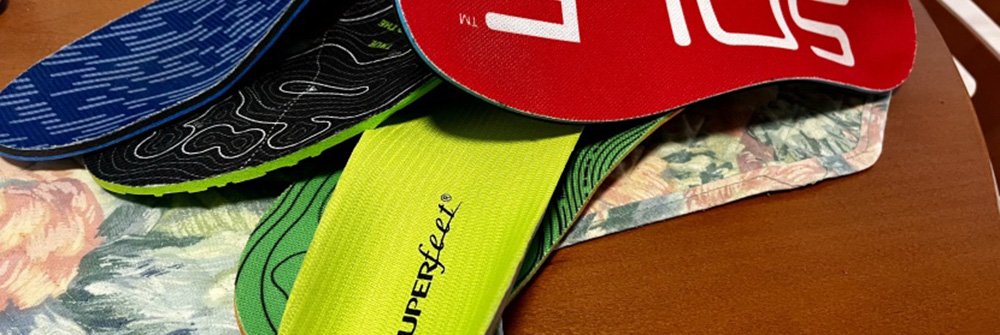
In the global footwear manufacturing landscape, the debate between Polyurethane (PU) and Ethylene Vinyl Acetate (EVA) is far from settled. As we enter 2026, the expectations for professional-grade footwear have evolved from simple comfort to long-term musculoskeletal protection. At Aybroad, we recognize that the foundation of a great insole lies in the cellular structure of its primary material. Choosing between PU and EVA is not merely a cost decision; it is a commitment to the user’s long-term health and the brand’s reputation for quality.
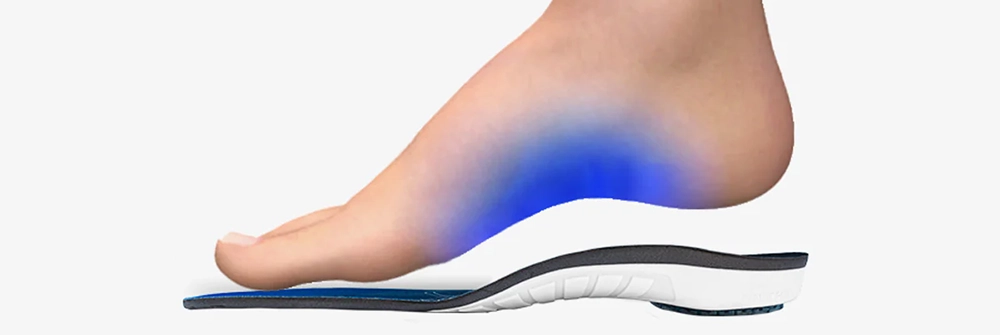
Plantar Fasciitis is not just a medical term; for millions of workers in the construction, manufacturing, and logistics sectors, it is a debilitating reality that leads to decreased productivity, chronic pain, and long-term disability. The sharp, stabbing pain in the heel—most intense during the first steps of the morning—is caused by inflammation of the plantar fascia, a thick band of tissue that runs across the bottom of your foot. At Aybroad, we view insole design as a form of preventative medicine. Our 2026 orthotic collection is engineered specifically to address the biomechanical root causes of this condition.
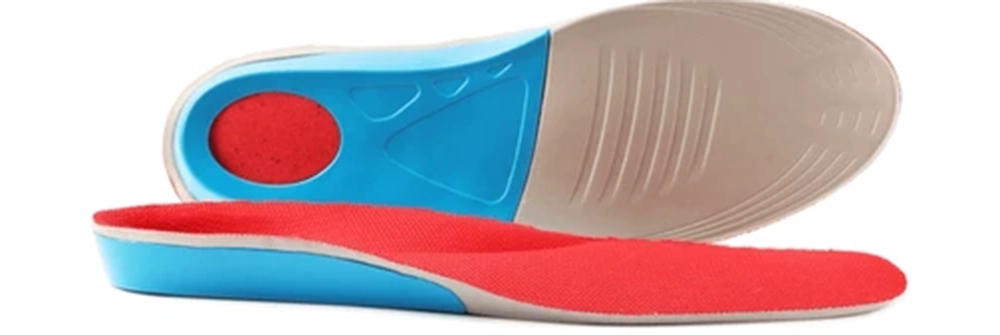
In the competitive world of footwear components, the distance between a concept and a market-ready product is filled with technical hurdles. Partnering with a professional OEM manufacturer like Aybroad is about more than just sourcing materials; it is about leveraging a decade of engineering expertise to create a product that is both high-performing and mass-producible. As a specialist in multi-density, multi-material orthotic insoles, our factory serves as a technical hub where 3D biomechanics meets industrial scale.

TPU Insole Manufacturer – High Stability & Anti-Torsion Support Solutions
Looking for a reliable TPU insole manufacturer for high-performance footwear or functional insole products?
TPU (Thermoplastic Polyurethane) is widely used in advanced insole structures due to its excellent strength, flexibility, and stability. It plays a critical role in providing anti-torsion support and structural reinforcement, especially in sports and orthotic applications.
The global footwear industry is currently undergoing its most significant transformation in decades. As we move through 2026, the traditional boundaries between "work boots," "athletic shoes," and "medical orthotics" are blurring. Consumers now expect their safety boots to be as light as running shoes and their running shoes to provide the support of a custom orthotic. As a leading manufacturer, Aybroad is at the epicenter of these changes. Here are the five key trends that are defining the insole market this year and beyond.
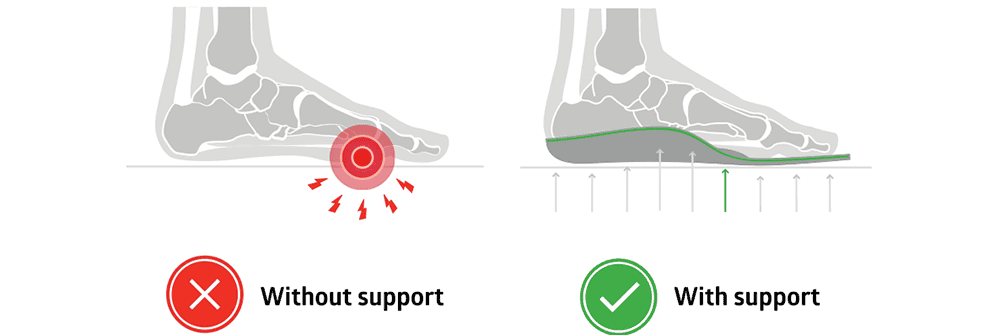
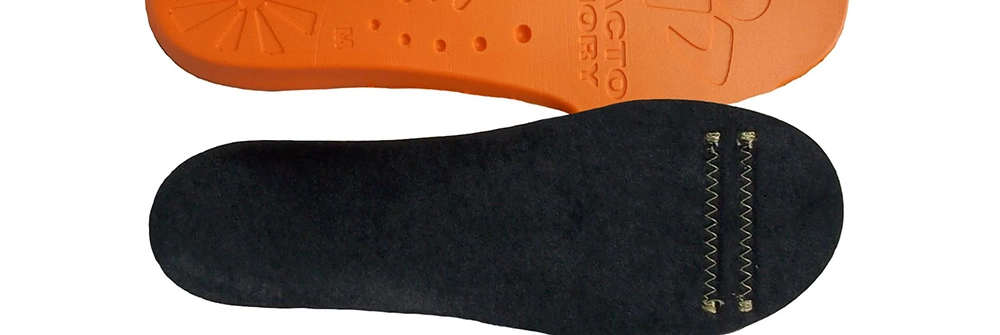
In the demanding world of industrial work and high-impact sports, foot fatigue is more than an inconvenience—it is a barrier to productivity and long-term health. At Aybroad, our R&D focus for 2026 has shifted toward "Active Anatomical Correction." Our latest innovation, the Sublimated Multi-Density Orthotic Insole, introduces a critical biomechanical feature often overlooked in standard footwear: the Metatarsal Pad.
ESD vs Anti-Static Insoles – What’s the Difference and Which Do You Need?
In safety footwear and industrial environments, the terms ESD insoles and anti-static insoles are often used interchangeably.
However, they are not the same.
Understanding the difference between ESD vs anti-static insoles is critical for choosing the right solution—especially in electronics manufacturing, cleanrooms, and hazardous environments.
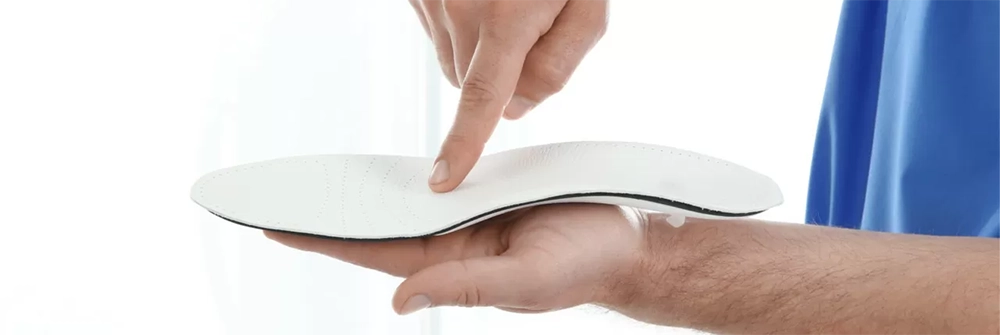
Orthotic insoles are designed to improve foot support, alignment, and overall comfort inside footwear. As demand for foot health and performance footwear continues to grow, many footwear brands and distributors are searching for reliable orthotic insoles manufacturers to develop customized insole solutions.

Looking for a reliable athletic insoles manufacturer for your sports footwear or insole brand?
High-performance sports insoles require more than basic cushioning. They must deliver shock absorption, stability, energy return, and durability under dynamic conditions.
As an experienced sports insoles OEM manufacturer, we provide fully customized solutions tailored to your product positioning and performance requirements.

Sport performance insoles are designed to enhance comfort, stability, and energy efficiency during physical activities. Compared with standard shoe inserts, performance insoles provide better arch support, shock absorption, and foot alignment. These features help athletes and active individuals reduce fatigue and improve overall performance.
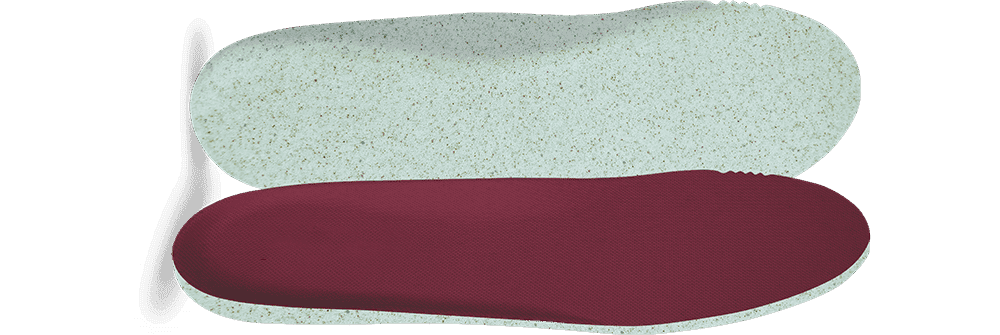
Insoles play an important role in improving shoe comfort, shock absorption, and foot support. Among the many types of insoles available today, liquid gel insoles and foam insoles are two of the most common options used in sports shoes, work boots, and everyday footwear.
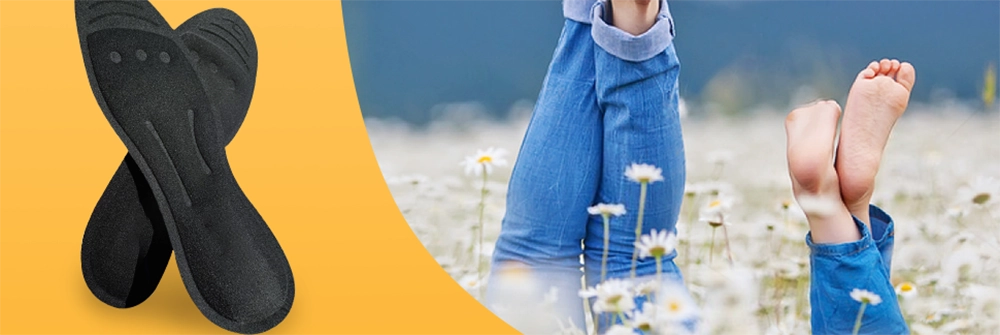
Liquid cushioning insoles have become a popular solution in the footwear industry due to their ability to provide dynamic pressure distribution and excellent shock absorption. Compared with traditional foam insoles, liquid insoles adapt to foot movement and provide consistent cushioning during walking or standing.
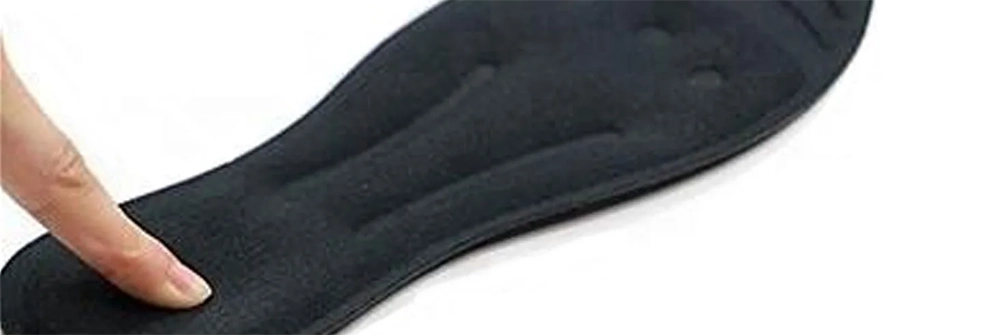
Liquid insoles have become increasingly popular in recent years because of their ability to provide dynamic cushioning and pressure distribution. Unlike traditional foam insoles, liquid insoles contain a sealed chamber filled with fluid that moves under pressure. This movement helps absorb shock and improve comfort during walking or standing.
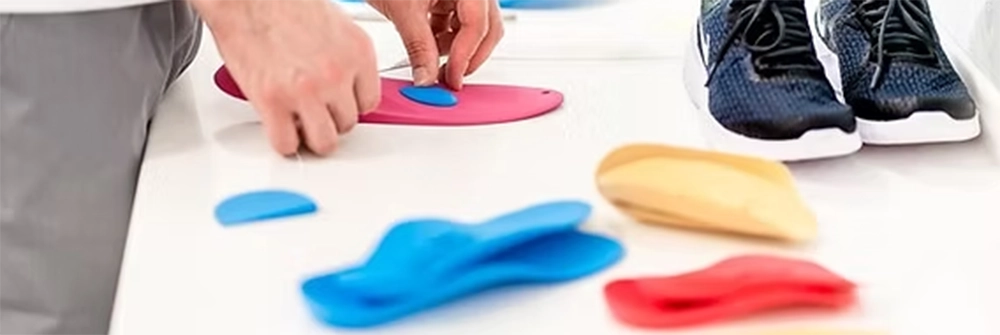
EVA and PU are two of the most commonly used materials in shoe insoles. Both materials provide cushioning and comfort, but they have different properties that make them suitable for different applications.

The global footwear market continues to grow, and insoles have become an important segment within the industry. Many entrepreneurs and footwear brands are launching their own insole products to meet the growing demand for comfort and foot support.
Starting an insole brand requires planning, product development, and reliable manufacturing partners.
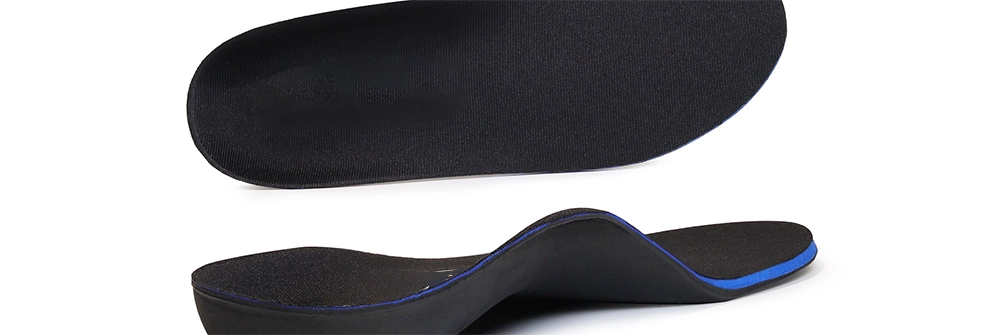
Orthotic insoles are designed to improve foot comfort, provide arch support, and reduce pressure during walking or standing. These specialized inserts are widely used in sports shoes, work boots, and medical footwear. Understanding how orthotic insoles are made helps explain why high-quality insoles provide better performance and durability.
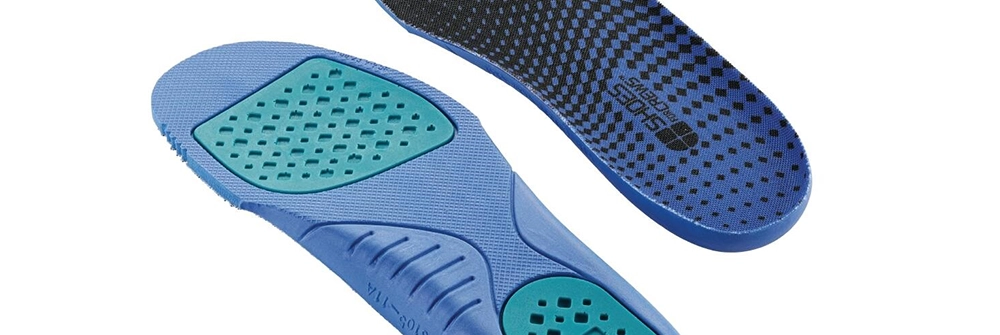
In the demanding world of industrial work and construction, a safety boot is only as good as the foundation it’s built on. While steel toes and waterproof leather provide external protection, the internal "engine" that drives worker productivity and health is the insole.
Today, Dual-Density Polyurethane (PU) has emerged as the gold standard for high-performance footbeds. But what is the science behind this material, and why should independent brands and manufacturers prioritize it?

Best Orthotic Insoles for Work Boots
Work boots are designed for protection and durability, but many workers experience foot fatigue, arch pain, and heel discomfort after long hours on the job. Orthotic insoles are one of the most effective ways to improve comfort and reduce strain while wearing heavy-duty work boots.
In this guide, we explain what makes the best orthotic insoles for work boots and how to choose the right type for maximum support.
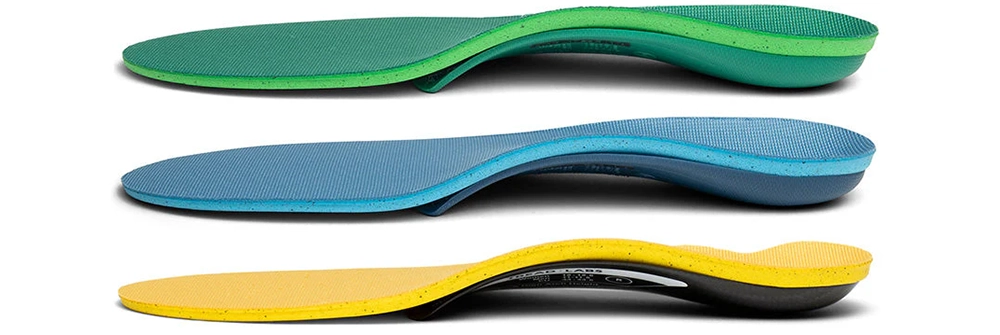
How to Choose Orthotic Insoles
Orthotic insoles are designed to improve foot alignment, relieve pain, and enhance comfort. However, choosing the right orthotic insole can be confusing due to the wide range of materials, designs, and support levels available.
This guide explains how to choose orthotic insoles that match your foot type and daily activities.
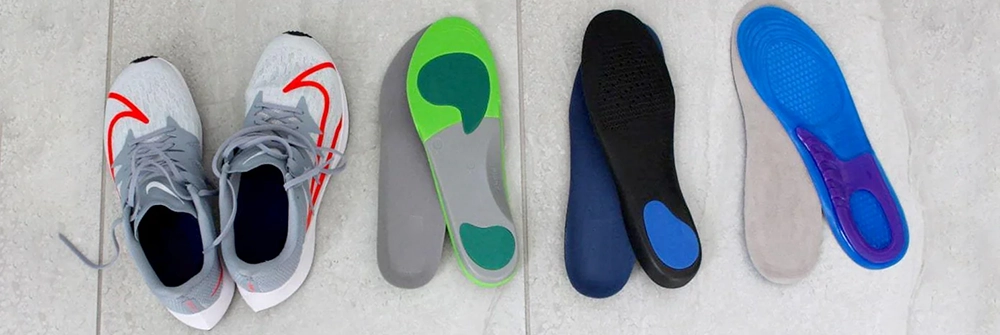
EVA vs PU Insoles – Which Material Is Better for Your Product?
When developing or sourcing insoles, one of the most common questions is:
👉 EVA vs PU insoles – which material should you choose?
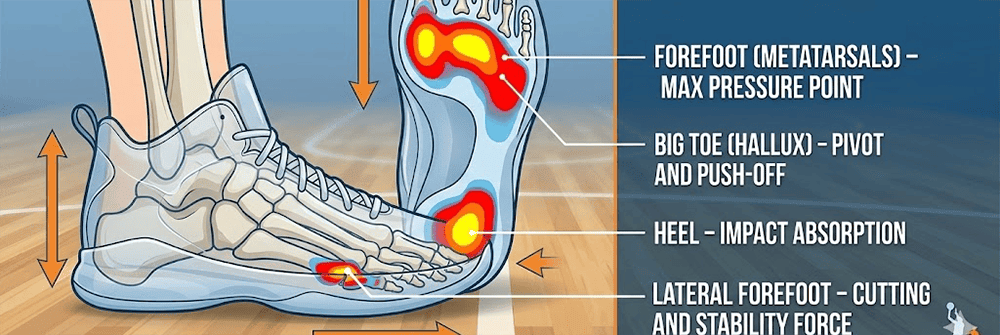
Why Do We Need Targeted Insole Products?
1. Static and Linear Movements (Base Models)
-
Standing: Pressure is most evenly distributed, primarily concentrated on the Heel (approx. 60%) and the Forefoot (approx. 40%).
Insole Focus: Emphasis on Heel Absorption to prevent lower back pain during prolonged standing shifts.
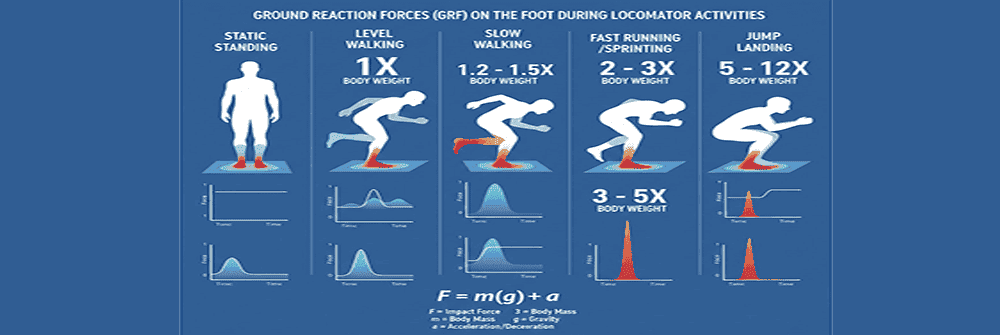
In biomechanics, the "weight" borne by the feet is known as Ground Reaction Force (GRF). When you move, the impact force on your feet increases exponentially with exercise intensity.
The following table shows the relationship between foot impact force and body weight under different movement states:

The Healthcare Common Procedure Coding System (HCPCS) is a standardized coding system used by Medicare, Medicaid, and private commercial insurance in the United States to identify medical products and services for reimbursement purposes.
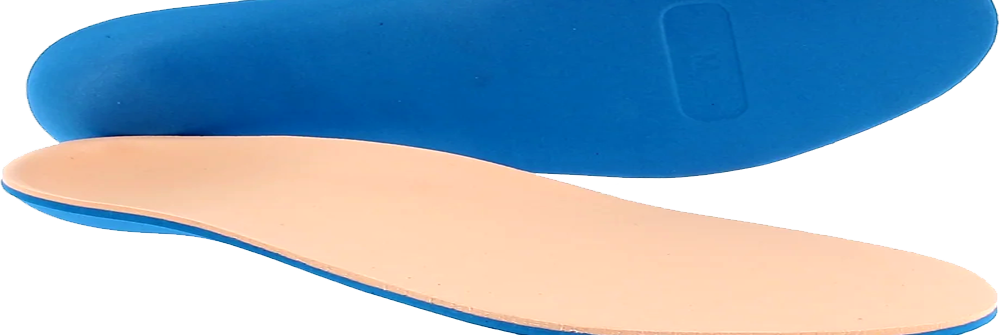
Diabetic Insoles are engineered specifically for individuals with diabetes to address foot complications arising from blood sugar fluctuations, such as ulcers, localized pressure points, and foot deformities. These insoles help prevent and alleviate these issues by providing superior cushioning, structural support, and pressure redistribution.
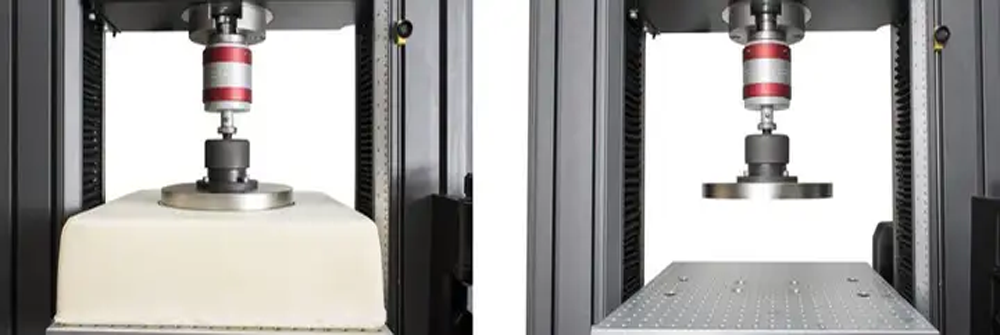
ASTM D3574 is a globally recognized standard issued by ASTM International. It is primarily used to evaluate the physical properties of flexible cellular materials, such as Polyurethane (PU) foam, EVA foam, and other synthetic foams.