 English
  Español
  Português
  日本語
日本語  Français
  繁體中文
繁體中文  简体中文
简体中文 
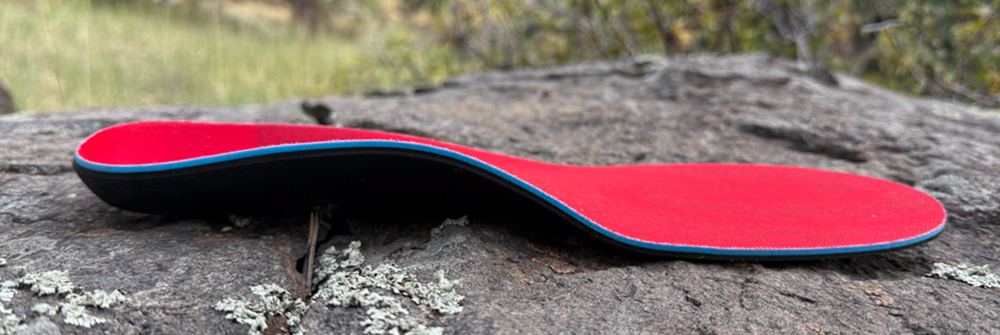
In modern sports footwear—especially running and training shoes—high-rebound insoles have become a key performance feature. Unlike traditional cushioning that mainly absorbs impact, high-rebound insoles are designed to return energy to the user, improving efficiency and reducing fatigue.
For brands and product developers, understanding what defines a true high-rebound insole is essential to creating competitive sports products.
What Is “High Rebound”?
Rebound refers to how much energy a material returns after being compressed.
A high-rebound insole returns a larger percentage of that energy, creating a more responsive and “springy” feel.
Why High Rebound Matters in Sports
During activities like running:
👉 High-rebound insoles help to:
This is why they are widely used in performance footwear.
1. Material Selection Is the Core Factor
The most important element in a high-rebound insole is the material.
Common high-rebound materials:
TPU (Thermoplastic Polyurethane)
👉 Widely used in performance zones
Supercritical Foams (Advanced EVA/PEBA)
👉 Common in high-end running products
PU (Polyurethane)
Standard EVA (Lower Rebound)
👉 Usually combined with other materials
2. Density and Structure Optimization
Rebound is not just about material—it also depends on density and internal structure.
Ideal design:
👉 Some advanced designs include:
3. Multi-Layer Construction
High-performance insoles rarely rely on a single material.
Typical structure:
4. Zoned Rebound Design
Different areas of the foot require different functions.
Heel
Forefoot
5. Thickness and Geometry
Design geometry plays a key role:
👉 However:
Too thick = poor shoe fit
6. Durability of Rebound Performance
A true high-rebound insole must maintain performance over time.
7. Integration with Shoe System
high-rebound insoles should work together with:
👉 Poor integration can reduce performance benefits.
How to Test High Rebound Performance
👉 Key metric:
Energy return percentage—the higher, the better.
Common Mistakes to Avoid
1. Equating softness with rebound
2. Overusing TPU
Too much TPU can make the insole stiff and uncomfortable.
3. Ignoring durability
Initial performance is not enough—long-term performance matters.
4. Not matching application
Running, training, and casual sports require different rebound levels.
What This Means for Brands
For sports brands, high-rebound insoles offer:
Final Thoughts
For brands and importers, investing in high-rebound insole technology is a powerful way to enhance product performance and stand out in the competitive sports market.
At Aybroad, we work with clients to develop custom high-rebound insole solutions tailored for running and sports applications, combining material innovation with practical manufacturing expertise.
👉 Contact us today to discuss your project or request a sample.