 English
  Español
  Português
  日本語
日本語  Français
  繁體中文
繁體中文  简体中文
简体中文 
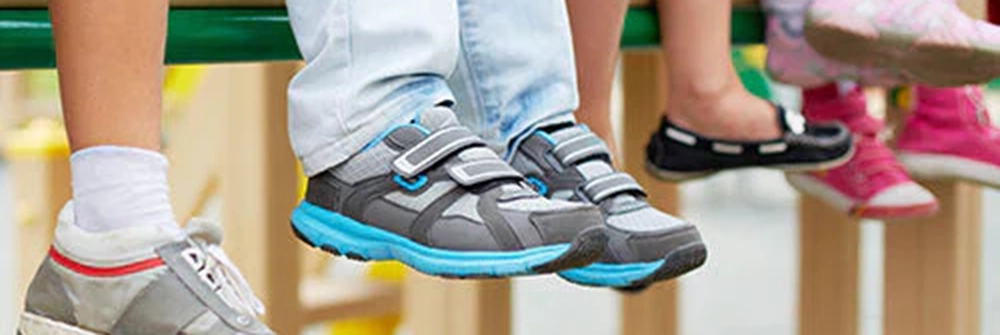
Designing insoles for kids’ shoes is fundamentally different from designing for adults. Children’s feet are still developing, which means the focus is not only on comfort, but also on healthy growth, safety, and proper support.
For brands, importers, and manufacturers, understanding the unique requirements of children’s insoles is essential to create products that meet both market expectations and health standards.
In this guide, we explore the key safety and comfort considerations when developing insoles for kids’ footwear.
Why Kids Need Specialized Insoles
Children’s feet are not just smaller versions of adult feet. They are:
-
Softer and more flexible
-
Still forming bones and arches
-
More sensitive to pressure and friction
👉 Poor insole design can lead to:
-
Improper foot development
-
Discomfort or pain
-
Long-term posture issues
1. Safety Comes First
Non-Toxic Materials
Children are more sensitive to chemicals, so insoles must use:
-
Non-toxic, eco-friendly materials
-
Certified safe foams and fabrics
-
Low VOC (volatile organic compounds) materials
👉 Compliance with safety standards (such as REACH or CPSIA) is essential for European and US markets.
Skin-Friendly Surface
Kids’ skin is delicate.
Top layer requirements:
-
Soft and smooth
-
Non-irritating
-
Anti-friction
👉 This reduces the risk of blisters and skin irritation.
2. Proper Support Without Restriction
Unlike adults, most children do not need strong corrective support.
👉 Key principle:
Support should guide, not restrict.
Recommended features:
-
Light to moderate arch support
-
Flexible structure
-
Natural foot movement
3. Cushioning for Comfort
Children are active—they run, jump, and play.
insoles should provide:
-
Soft cushioning for impact absorption
-
Even pressure distribution
-
Lightweight comfort
👉 Materials like EVA and soft PU are commonly used.
4. Lightweight Design
Heavy insoles can negatively affect children’s movement.
👉 Ideal characteristics:
-
Low-density materials
-
Thin but functional structure
-
Minimal added weight
5. Breathability and Moisture Control
Kids’ feet tend to sweat more.
Important features:
-
Breathable top fabric
-
Perforated foam
-
Moisture-wicking properties
👉 Benefits:
-
Keeps feet dry
-
Reduces odor
-
Prevents bacterial growth
6. Flexibility and Natural Movement
Rigid insoles can interfere with natural foot development.
👉 Kids’ insoles should:
-
Bend easily with foot movement
-
Allow natural gait patterns
-
Avoid excessive stiffness
7. Durability for Active Use
Children are highly active, which means insoles must withstand:
-
Frequent movement
-
High impact from running and jumping
-
Daily wear and tear
👉 Good durability ensures longer product life and better value.
8. Fit and Size Adaptability
Children’s feet grow quickly.
Key considerations:
-
Accurate sizing
-
Trim-to-fit options
-
Easy replacement
👉 Poor fit can cause discomfort and reduce effectiveness.
9. Special Needs Considerations
Some children may require additional support, such as:
-
Flat feet
-
Overpronation
-
Medical or orthopedic conditions
👉 In these cases:
-
Moderate structural support may be needed
-
Custom or semi-custom insoles may be recommended
10. Design and Appeal
For kids, design also matters.
Features that improve appeal:
-
Bright colors
-
Fun patterns
-
Brand elements
👉 This can increase acceptance and user satisfaction.
Recommended Structure for Kids Insoles
A typical kids’ insole design includes:
Top Layer
-
Soft, breathable fabric
-
Skin-friendly and moisture-wicking
Middle Layer
-
Lightweight cushioning foam
-
Shock absorption
Bottom Layer
-
Flexible support layer
-
Maintains shape without stiffness
👉 The goal is to balance comfort, flexibility, and light support.
Common Mistakes to Avoid
1. Using adult insole designs
Children require different support levels and flexibility.
2. Over-supporting the arch
Too much support can interfere with natural development.
3. Using heavy materials
This reduces comfort and affects movement.
4. Ignoring safety certifications
Non-compliant materials can limit market access.
Market Trends in Kids Insoles
The demand for high-quality kids’ insoles is growing due to:
-
Increased awareness of foot health
-
Parental focus on comfort and safety
-
Growth in children’s sports footwear
👉 Brands are increasingly offering:
-
Ergonomic designs
-
Eco-friendly materials
-
Better breathability and comfort features
Final Thoughts
Insoles for kids’ shoes must balance safety, comfort, and natural development.
The best designs focus on:
-
Non-toxic, skin-friendly materials
-
Lightweight and flexible construction
-
Moderate support without restriction
-
Breathability and durability
For brands and importers, investing in proper kids’ insole design is essential to meet both consumer expectations and regulatory requirements.
At Aybroad, we specialize in developing custom insole solutions for different applications, including children’s footwear, with a focus on safety, comfort, and performance.
👉 Contact us today to discuss your project or request a sample.