 English
  Español
  Português
  日本語
日本語  Français
  繁體中文
繁體中文  简体中文
简体中文 
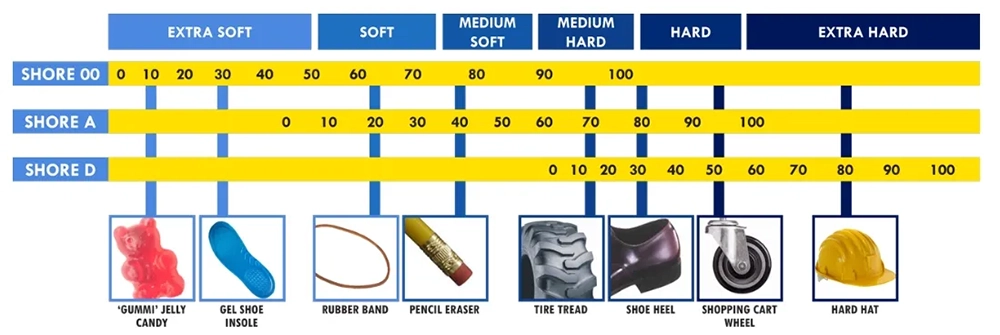
Choosing the correct hardness for insoles is one of the most critical factors in product performance, comfort, and durability. Whether you are developing custom orthotic insoles, sports insoles, or everyday comfort products, understanding Shore hardness helps you make the right material decisions and avoid costly mistakes.
In this guide, we will explain what Shore hardness means, the difference between Shore A and Shore C, and how to select the optimal hardness based on application, user needs, and material type.
What Is Shore Hardness?
Shore hardness is a standardized measurement used to describe how soft or hard a material is. It is determined using a durometer, which measures the resistance of a material to indentation.
For insoles, hardness directly affects:
-
Cushioning and comfort
-
Support and stability
-
Durability and lifespan
-
Shock absorption performance
In simple terms:
-
Lower Shore value = softer material
-
Higher Shore value = harder material
Shore A vs Shore C: What’s the Difference?
In the insole industry, the two most commonly used scales are Shore A and Shore C.
Shore A
-
Used for softer, flexible materials
-
Common in EVA, PU, gel, and rubber insoles
-
Typical range: 10A – 70A
👉 Best for:
-
Cushioning layers
-
Comfort insoles
-
Shock absorption zones
Shore C
-
Used for firmer, more rigid foam materials
-
Often applied in high-density EVA or structural layers
-
Typical range: 20C – 70C
👉 Best for:
-
Arch support
-
Stability control
-
Orthotic structures
Why Hardness Matters in Insole Design
Selecting the wrong hardness can lead to:
-
Too soft → lack of support, quick deformation
-
Too hard → discomfort, poor shock absorption
The right balance ensures:
-
Long-lasting performance
-
Proper foot alignment
-
Better user experience
For OEM buyers and footwear brands, hardness is also directly linked to product positioning (premium vs low-cost, sports vs medical, etc.).
Recommended Hardness by Application
1. Sports Insoles
Sports activities require both cushioning and energy return.
Recommended:
-
Top layer: 20–35 Shore A (soft for comfort)
-
Mid layer: 30–45 Shore A (balanced cushioning)
-
Support layer: 40–55 Shore C (stability)
👉 Key focus:
-
Shock absorption
-
Rebound performance
-
Lightweight structure
2. Orthotic Insoles
Orthotic insoles prioritize support and correction.
Recommended:
-
Cushion layer: 25–40 Shore A
-
Structural support: 50–65 Shore C
👉 Key focus:
-
Arch support
-
Foot alignment
-
Long-term durability
3. Work Boot Insoles
For industrial or long-standing environments, durability and fatigue reduction are essential.
Recommended:
-
Cushion layer: 30–45 Shore A
-
Base layer: 45–60 Shore C
👉 Key focus:
-
Anti-fatigue performance
-
Compression resistance
-
Long wear stability
4. Everyday Comfort Insoles
Daily-use insoles should prioritize softness and flexibility.
Recommended:
-
Full structure: 20–35 Shore A
👉 Key focus:
-
Immediate comfort
-
Flexibility
-
Breathability
Material Selection and Hardness
Different materials behave differently even at the same hardness level.
EVA (Ethylene Vinyl Acetate)
-
Most widely used
-
Easy to control hardness
-
Suitable for both Shore A and C
PU (Polyurethane)
-
Softer feel compared to EVA at same hardness
-
Better durability
-
Ideal for premium comfort insoles
TPU
-
Higher resilience and rebound
-
Usually used in support or energy-return zones
👉 Important:
Two materials with the same Shore value may feel completely different in real use.
Multi-Density Design: The Industry Standard
Modern insoles rarely use a single hardness.
Instead, manufacturers combine multiple layers:
-
Soft top layer → comfort
-
Medium mid layer → cushioning
-
Hard base layer → support
This is called multi-density construction, and it is widely used in:
-
Sports brands
-
Orthotic products
-
High-end OEM designs
Common Mistakes to Avoid
1. Choosing softness over function
Too soft insoles may feel good initially but lose shape quickly.
2. Ignoring user weight
Heavier users need higher hardness for proper support.
3. Using single-density design
This limits performance and reduces product value.
4. Not testing prototypes
Always test hardness in real use conditions, not just lab values.
How to Select the Right Hardness (Quick Checklist)
When developing or sourcing insoles, ask:
-
What is the main application? (sports, medical, work, casual)
-
What level of support is required?
-
What material is being used?
-
What is the target price range?
-
Do you need multi-layer construction?
Final Thoughts
Choosing the right Shore hardness is not just a technical detail—it defines the overall performance and market positioning of your insole product.
For brands and importers, working with an experienced manufacturer is key to balancing comfort, support, and durability.
At Aybroad, we specialize in custom insole development, offering tailored hardness solutions based on your product requirements, target market, and application scenarios.
👉 Contact us today to get expert guidance or request a free sample for your next project.