 English
  Español
  Português
  日本語
日本語  Français
  繁體中文
繁體中文  简体中文
简体中文 
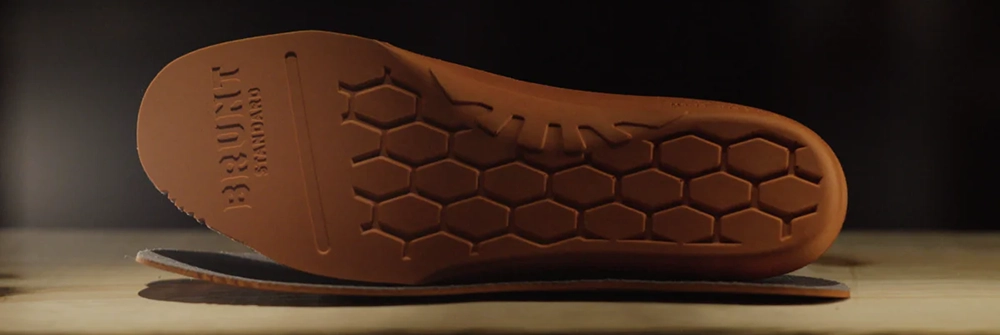
Work boots are designed for protection and durability—but without the right insoles, they can quickly become uncomfortable during long working hours. For industrial workers who spend 8–12 hours standing or walking on hard surfaces, insoles play a critical role in reducing fatigue, improving comfort, and preventing injury.
For brands, importers, and distributors, understanding what makes the best insoles for work boots is essential for developing competitive, high-performance products.
Why Standard Insoles Are Not Enough
Most stock insoles included in work boots are basic:
-
Low-density foam
-
Minimal arch support
-
Limited durability
👉 These insoles typically:
-
Compress quickly
-
Provide poor shock absorption
-
Fail under heavy use
As a result, users often replace them with aftermarket insoles.
Key Requirements for Work Boot Insoles
1. Shock Absorption
Industrial floors (concrete, steel) generate high impact forces.
A good insole must:
-
Reduce heel impact
-
Protect joints (knees, hips, back)
-
Improve overall comfort
👉 Materials like PU and gel perform well in this area.
2. Anti-Fatigue Performance
The best insoles not only absorb shock but also reduce muscle fatigue.
This is achieved through:
-
Energy return (rebound)
-
Proper cushioning balance
-
Supportive structure
👉 Anti-fatigue design helps workers stay comfortable throughout long shifts.
3. Arch Support
Arch support is essential for:
-
Maintaining foot alignment
-
Reducing strain on plantar fascia
-
Improving posture
👉 For work boots, medium to firm support is recommended.
4. Compression Resistance
Insoles must maintain performance under constant load.
Low-quality materials:
-
Flatten quickly
-
Lose cushioning
-
Reduce support
👉 High-density EVA or PU provides better long-term durability.
5. Breathability and Moisture Control
Work environments often involve:
-
Heat
-
Sweat
-
Long wear time
Key features:
-
Moisture-wicking top fabric
-
Ventilation design
-
Antibacterial treatment
6. Durability
Industrial insoles must withstand:
-
Heavy use
-
Repetitive compression
-
Harsh environments
👉 A durable insole reduces replacement frequency and improves user satisfaction.
Recommended Material Combinations
EVA (Ethylene Vinyl Acetate)
-
Lightweight
-
Cost-effective
-
Suitable for entry-level products
PU (Polyurethane)
-
Excellent shock absorption
-
Strong compression resistance
-
Ideal for industrial use
TPU (Thermoplastic Polyurethane)
-
High energy return
-
Strong structural support
-
Used in targeted zones
👉 Best practice:
Combine materials for optimal performance.
Ideal Structure for Work Boot Insoles
Most high-performance insoles use a multi-layer design:
Top Layer
-
Soft, breathable fabric
-
Moisture control
-
Immediate comfort
Middle Layer
-
PU or EVA cushioning
-
Shock absorption
Bottom Layer
-
High-density foam or TPU
-
Stability and durability
👉 This layered construction balances comfort, support, and longevity.
Advanced Features to Consider
High-end work boot insoles may include:
-
Gel or liquid cushioning zones for heel impact
-
Heel cups for stability
-
Metatarsal pads for forefoot pressure relief
-
Anti-slip base layers
Common Mistakes to Avoid
1. Focusing only on softness
Too soft insoles may feel comfortable initially but lack support and durability.
2. Ignoring user weight
Heavier workers require higher-density materials.
3. Using single-layer construction
Limits performance and reduces product value.
4. Prioritizing cost over quality
Low-cost materials often lead to product failure and customer complaints.
How to Choose the Right Insole (Quick Checklist)
When developing or sourcing insoles, consider:
-
Working environment (floor type, conditions)
-
Duration of use (daily hours)
-
User weight and activity level
-
Required lifespan
-
Price positioning
Market Trends in Work Boot Insoles
The demand for high-performance insoles is increasing due to:
-
Growing awareness of workplace ergonomics
-
Employer focus on worker safety and productivity
-
Expansion of logistics, construction, and manufacturing sectors
👉 Many brands are now integrating anti-fatigue insoles as a standard feature.
Final Thoughts
The best insoles for work boots are not just about comfort—they are about performance, durability, and fatigue reduction.
A well-designed insole should combine:
-
Shock absorption
-
Energy return
-
Arch support
-
Long-term durability
For brands and importers, investing in high-quality insole design is essential to stand out in the competitive work footwear market.
At Aybroad, we specialize in developing custom work boot insole solutions using optimized material combinations and multi-layer structures tailored for industrial environments.
👉 Contact us today to discuss your project or request a sample.