 English
  Español
  Português
  日本語
日本語  Français
  繁體中文
繁體中文  简体中文
简体中文 
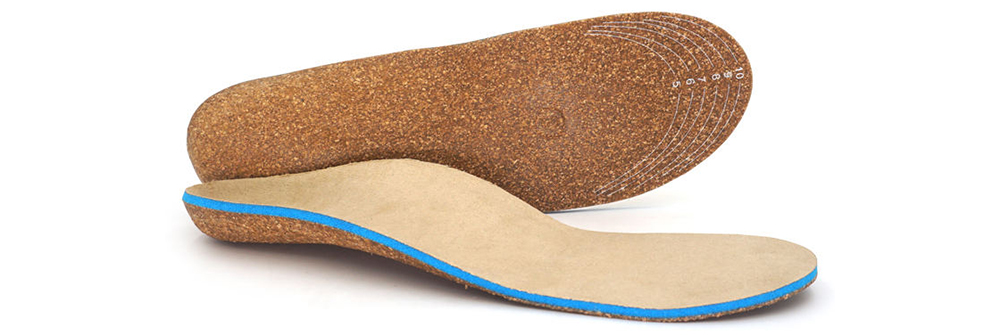
Sustainability is no longer a niche trend—it has become a core requirement in the global footwear industry, especially in Europe and the United States. For brands, retailers, and importers, choosing the right sustainable materials for insoles is now essential for meeting consumer expectations, regulatory requirements, and long-term business goals.
In this guide, we break down the key sustainable materials used in insoles, their advantages and limitations, and what buyers should consider when sourcing eco-friendly products.
Why Sustainability Matters in Insoles
Insoles are often overlooked, but they contribute significantly to:
-
Material consumption
-
Waste generation
-
Product lifecycle impact
Consumers are increasingly demanding:
-
Eco-friendly materials
-
Reduced carbon footprint
-
Recyclable or biodegradable products
👉 For brands, sustainable insoles can:
-
Enhance brand image
-
Meet regulatory standards
-
Create differentiation in competitive markets
Key Types of Sustainable Insole Materials
1. Recycled EVA
Recycled EVA is produced by reusing production waste or post-consumer materials.
👉 Advantages:
-
Reduces material waste
-
Cost-effective
-
Similar performance to virgin EVA (with proper processing)
👉 Limitations:
-
Slight variation in consistency
-
Performance depends on recycling quality
2. Bio-Based EVA
Bio-based EVA is made partially from renewable resources such as sugarcane.
👉 Advantages:
-
Lower carbon footprint
-
Comparable performance to traditional EVA
-
Increasingly accepted in global markets
👉 Limitations:
-
Higher cost
-
Limited supply compared to conventional materials
3. Recycled PU (Polyurethane)
PU can be recycled into new foam materials for insoles.
👉 Advantages:
-
Good durability
-
Reduced environmental impact
👉 Limitations:
-
More complex processing
-
Quality varies depending on recycling methods
4. Natural Cork
Cork is a renewable material harvested from cork oak trees.
👉 Advantages:
-
Sustainable and biodegradable
-
Naturally antimicrobial
-
Lightweight
👉 Limitations:
-
Limited cushioning
-
Usually combined with other materials
5. Natural Latex Foam
Derived from rubber trees, natural latex is a renewable material.
👉 Advantages:
-
Good elasticity and comfort
-
Biodegradable
-
Long-lasting
👉 Limitations:
-
Higher cost
-
Potential allergen concerns
6. Recycled Fabric and Linings
Top covers can use:
-
Recycled polyester
-
Organic cotton
-
Bamboo fiber
👉 Advantages:
-
Improves sustainability profile
-
Enhances moisture management
Performance vs Sustainability: Finding the Balance
One of the biggest challenges is balancing:
-
Environmental impact
-
Product performance
-
Cost
👉 Key insight:
Not all sustainable materials match the performance of traditional ones.
Best practice:
-
Combine sustainable materials with high-performance layers
-
Use eco-friendly materials where performance impact is minimal
Certifications and Compliance
For buyers targeting Europe and the US, certifications are critical.
Common standards include:
-
REACH (EU chemical safety regulation)
-
RoHS (restriction of hazardous substances)
-
GRS (Global Recycled Standard)
-
OEKO-TEX (textile safety)
👉 These certifications ensure:
-
Material safety
-
Environmental compliance
-
Market acceptance
Sustainable Design Strategies
Sustainability is not just about materials—it also involves design.
1. Multi-Material Optimization
Use eco-friendly materials in non-critical layers.
2. Durability Focus
Longer-lasting insoles reduce waste.
3. Recyclability
Design products that can be recycled at end of life.
4. Lightweight Design
Reduces material usage and transportation impact.
Common Mistakes to Avoid
1. Focusing only on “green” marketing
Claims must be backed by real data and certifications.
2. Ignoring performance
Eco-friendly products must still meet functional requirements.
3. Overcomplicating materials
Too many materials can make recycling difficult.
4. Not verifying supplier capabilities
Not all factories can produce consistent sustainable materials.
Market Trends
Sustainable insoles are growing rapidly due to:
-
Regulatory pressure in Europe
-
Consumer awareness in the US
-
Brand sustainability commitments
👉 Many leading brands are targeting:
-
Carbon-neutral products
-
Fully recyclable footwear components
How to Choose the Right Supplier
When sourcing sustainable insoles, buyers should look for:
-
Experience with eco-friendly materials
-
Certification support
-
Stable material supply chain
-
Ability to balance performance and sustainability
Final Thoughts
Sustainable materials in insoles are becoming a standard requirement rather than an option. For buyers, the key is to find the right balance between environmental responsibility, product performance, and cost efficiency.
The most effective approach is not to rely on a single material, but to combine sustainable options strategically within a well-designed structure.
At Aybroad, we support brands in developing eco-friendly insole solutions using recycled and bio-based materials, while maintaining high performance and durability.
👉 Contact us today to explore sustainable insole options or request a sample.