 English
  Español
  Português
  日本語
日本語  Français
  繁體中文
繁體中文  简体中文
简体中文 
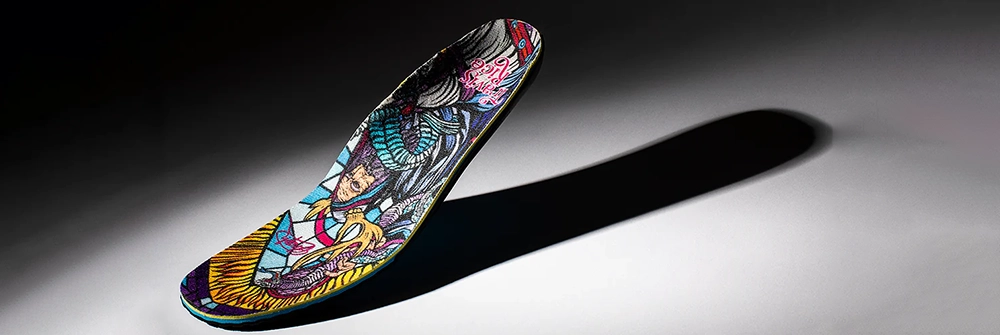
Shock absorption is one of the most critical performance indicators for insoles, especially in sports, work, and orthopedic applications. A well-designed insole should reduce impact forces, protect joints, and improve overall comfort during walking or running.
For brands and importers, understanding shock absorption testing methods is essential to evaluate product quality, compare materials, and ensure consistent performance.
In this guide, we explain how shock absorption is measured, the most common testing methods, and what results really mean for insole performance.
Why Shock Absorption Matters
Every step generates impact force—especially during running or long periods of standing.
Without proper shock absorption:
-
Stress is transferred to the heel, knees, and joints
-
Fatigue increases
-
Risk of injury rises
👉 A good insole should:
-
Reduce peak impact force
-
Distribute pressure evenly
-
Improve energy dissipation
Key Metrics in Shock Absorption Testing
Before looking at test methods, it’s important to understand the main parameters measured:
1. Impact Force Reduction
Measures how much force is reduced compared to a rigid surface.
2. Energy Absorption
Indicates how much energy is absorbed by the material during impact.
3. Energy Return
Measures how much energy is returned (rebound effect).
4. Compression Set
Evaluates how well the material recovers after repeated compression.
👉 These metrics together define the real performance of an insole.
Common Shock Absorption Testing Methods
1. Drop Ball Test
This is one of the most widely used methods.
How it works:
-
A steel ball is dropped from a fixed height onto the insole
-
Sensors measure the impact force or rebound height
What it shows:
-
Basic shock absorption capability
-
Material responsiveness
👉 Advantages:
-
Simple and quick
-
Good for comparison between materials
👉 Limitations:
-
Does not fully simulate real foot movement
2. Impact Testing Machine (Dynamic Impact Test)
This method uses specialized equipment to simulate repeated impacts.
How it works:
-
A weighted striker repeatedly hits the insole
-
Force sensors record impact reduction over time
What it shows:
-
Realistic shock absorption performance
-
Durability under repeated use
👉 Advantages:
-
Closer to real-life conditions
-
Measures long-term performance
3. Compression Test
Although not a direct shock test, it is closely related.
How it works:
-
The insole is compressed under a defined load
-
Deformation and recovery are measured
What it shows:
-
Cushioning behavior
-
Resistance to permanent deformation
👉 Important for:
-
Evaluating durability
-
Predicting lifespan
4. Energy Return (Rebound) Test
This test measures how much energy the material returns after compression.
How it works:
-
The material is compressed and released
-
Rebound height or energy percentage is measured
What it shows:
-
Responsiveness
-
Performance in sports applications
👉 Example:
TPU typically shows higher rebound than EVA.
5. Pressure Distribution Test
This test evaluates how pressure is distributed across the foot.
How it works:
-
A pressure-mapping system records force distribution
-
Sensors track high-pressure zones
What it shows:
-
Effectiveness of shock absorption in real use
-
Load distribution across the foot
👉 Widely used in:
-
Orthotic design
-
Medical applications
Comparing Materials Through Testing
Different materials perform differently under shock absorption tests:
EVA
-
Good initial cushioning
-
Performance decreases over time
-
Moderate energy absorption
PU
-
Excellent long-term shock absorption
-
Maintains performance after repeated use
-
Better compression resistance
TPU
-
Lower energy absorption but high energy return
-
Best for performance and rebound
👉 Conclusion:
No single material is perfect—selection depends on application.
Real-World vs Lab Testing
One common mistake is relying only on lab results.
👉 Lab tests:
-
Provide standardized data
-
Allow material comparison
👉 Real-world testing:
-
Reflects actual user experience
-
Includes variables like weight, gait, and usage time
👉 Best practice:
Combine both testing approaches for accurate evaluation.
Common Testing Standards
Depending on the market, different standards may apply:
-
ISO standards for footwear testing
-
SATRA testing methods
-
ASTM standards
👉 These ensure consistency and reliability in testing procedures.
Common Mistakes to Avoid
1. Focusing only on softness
Soft materials are not always better at shock absorption.
2. Ignoring durability
Some materials perform well initially but degrade quickly.
3. Not testing under repeated impact
Single-impact tests do not reflect real usage conditions.
4. Overlooking application differences
Sports, work, and medical insoles require different performance profiles.
How to Choose the Right Testing Method
For brands and buyers, the testing method should match the product goal:
-
Sports insoles → focus on energy return and dynamic impact testing
-
Work insoles → focus on durability and compression resistance
-
Orthotic insoles → focus on pressure distribution
Final Thoughts
Shock absorption is a key factor in insole performance, but it cannot be evaluated using a single test alone. A combination of methods—such as drop ball testing, dynamic impact testing, and pressure mapping—provides the most accurate picture.
For brands and importers, understanding these testing methods helps ensure better product development, improved quality control, and stronger market competitiveness.
At Aybroad, we support clients with material selection, performance testing, and custom insole development to meet different application requirements.
👉 Contact us today to learn more or request a sample for testing.