 English
  Español
  Português
  日本語
日本語  Français
  繁體中文
繁體中文  简体中文
简体中文 
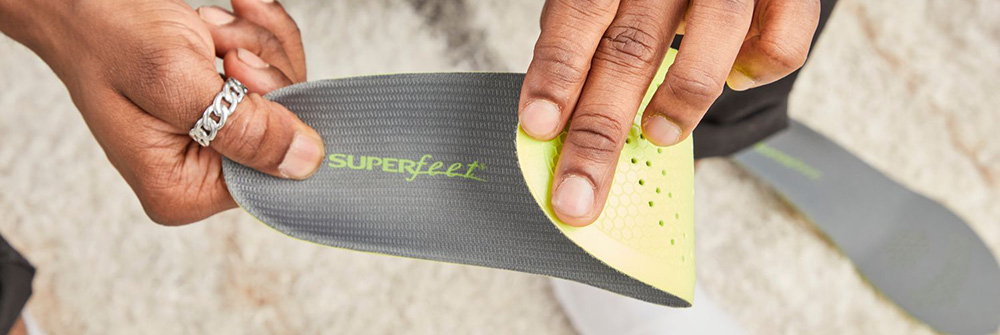
As competition in the running footwear market intensifies, brands are looking beyond outsoles and uppers to differentiate their products. One of the most overlooked yet powerful components is the insole.
Custom insoles are no longer just an accessory—they are a key factor in comfort, performance, and injury prevention. For running brands, developing the right insole can significantly enhance product value and user experience.
In this guide, we break down the key requirements for custom insoles tailored specifically for running brands.
Why Custom Insoles Matter in Running Shoes
Running places repetitive stress on the body:
-
Each step generates 2–3 times body weight in impact
-
High-frequency motion increases fatigue
-
Poor support can lead to injury
Standard insoles often fail to meet these demands.
👉 custom insoles allow brands to:
-
Optimize cushioning and rebound
-
Improve foot alignment
-
Enhance overall running performance
1. Cushioning vs Energy Return Balance
One of the biggest challenges in running insole design is balancing:
-
Shock absorption (cushioning)
-
Energy return (rebound)
👉 Too soft:
-
Energy loss
-
Reduced performance
👉 Too firm:
-
Poor comfort
-
Higher impact stress
Best practice:
-
Use EVA or PU for cushioning
-
Integrate TPU for rebound zones
2. Lightweight Construction
Weight is critical in running performance.
👉 Ideal insole characteristics:
-
Low-density materials
-
Optimized thickness
-
Minimal bulk
Even small weight reductions can improve running efficiency.
3. Arch Support and Biomechanics
Different runners have different foot types:
-
Neutral
-
Overpronation
-
Supination
👉 custom insoles should:
-
Provide appropriate arch support
-
Stabilize foot movement
-
Improve gait efficiency
4. Breathability and Moisture Management
Running generates heat and sweat.
Key features:
-
Moisture-wicking top fabric
-
Perforated foam structure
-
Ventilation channels
👉 Benefits:
-
Keeps feet dry
-
Reduces odor and bacteria
-
Improves long-term comfort
5. Durability Under Repetitive Impact
Running involves thousands of steps per session.
👉 Insoles must:
-
Maintain cushioning performance
-
Resist compression
-
Retain shape over time
Materials like high-quality EVA, PU, and TPU are commonly used.
6. Multi-Density Construction
Modern running insoles rarely use a single material.
👉 Typical structure:
-
Top layer → soft comfort
-
Mid layer → cushioning
-
Bottom layer → support and rebound
This approach provides:
-
Better performance balance
-
Enhanced durability
-
Improved user experience
7. Heel and Forefoot Zoning
Different parts of the foot require different functions:
Heel
-
High impact zone
-
Needs strong shock absorption
Forefoot
-
Push-off zone
-
Requires energy return
👉 Advanced designs include:
-
Gel or liquid heel inserts
-
TPU forefoot plates
8. Compatibility with Shoe Design
custom insoles must integrate seamlessly with the shoe:
-
Match shoe last shape
-
Maintain proper fit
-
Avoid excessive thickness
👉 Poor integration can negatively affect performance.
9. Branding and Differentiation
For running brands, insoles are also a branding opportunity.
Custom options include:
-
Logo printing
-
Color matching
-
Unique structural designs
👉 This enhances product identity and perceived value.
10. Sustainability Considerations
Sustainability is becoming increasingly important.
Running brands are exploring:
-
Recycled EVA
-
Bio-based materials
-
Eco-friendly production processes
👉 This aligns with consumer expectations, especially in Europe and the US.
Common Mistakes to Avoid
1. Overemphasizing softness
Too soft insoles reduce energy return and durability.
2. Ignoring biomechanics
Different runners require different support levels.
3. Using single-material designs
Limits performance and differentiation.
4. Not testing with real runners
Lab testing alone is not enough.
Development Process for Custom Running Insoles
A typical OEM/ODM process includes:
-
Requirement analysis (target market, performance goals)
-
Material selection (EVA, PU, TPU combinations)
-
Prototype development
-
Performance testing (shock absorption, rebound, durability)
-
Wear testing with real users
-
Mass production
Final Thoughts
custom insoles are a key component in modern running shoe design. They directly influence:
-
Comfort
-
Performance
-
Injury prevention
For running brands, investing in high-quality custom insole development is essential to stay competitive in today’s market.
The best solutions combine:
-
Lightweight construction
-
Balanced cushioning and rebound
-
Proper biomechanical support
-
Durable multi-layer design
At Aybroad, we specialize in developing custom insoles for running brands, offering tailored material combinations, advanced structures, and OEM solutions to meet different performance needs.
👉 Contact us today to discuss your project or request a sample.