 English
  Español
  Português
  日本語
日本語  Français
  繁體中文
繁體中文  简体中文
简体中文 
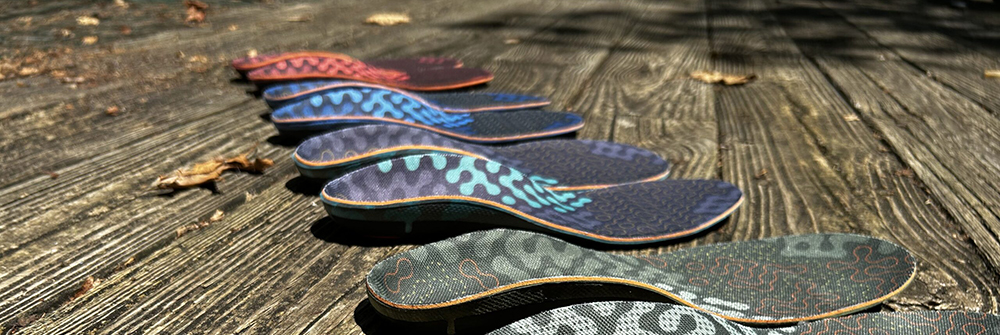
In insole development, one of the most common design challenges is balancing breathability and cushioning. Both are critical for comfort, but improving one often comes at the expense of the other.
For brands and product developers, understanding this trade-off is essential to creating insoles that meet specific user needs—whether for sports, work, or everyday wear.
Why This Trade-off Exists
At a material level, breathability and cushioning rely on different structural properties.
-
Cushioning requires dense or resilient foam structures to absorb impact
-
Breathability requires open structures that allow airflow
👉 The conflict:
-
More foam = better cushioning, less airflow
-
More airflow = less material, reduced cushioning
What Is Breathability in Insoles?
Breathability refers to how well an insole allows:
-
Air circulation
-
Heat dissipation
-
Moisture evaporation
👉 Key benefits:
-
Keeps feet cool
-
Reduces sweat and odor
-
Improves hygiene
How Breathability Is Achieved
-
Perforated foam (holes or channels)
-
Open-cell foam structures
-
Breathable top fabrics (mesh, microfiber)
-
Air circulation channels
👉 Limitation:
Increasing airflow often reduces structural integrity and cushioning performance.
What Is Cushioning in Insoles?
Cushioning refers to the insole’s ability to:
-
Absorb impact
-
Reduce pressure
-
Improve comfort under load
👉 Key benefits:
-
Protects joints
-
Reduces fatigue
-
Enhances comfort during long use
How Cushioning Is Achieved
-
Thicker foam layers
-
High-resilience materials (PU, EVA, TPU blends)
-
Multi-layer construction
👉 Limitation:
Denser materials tend to trap heat and reduce airflow.
The Core Trade-off Explained
High Cushioning Design
Pros:
-
Excellent shock absorption
-
Better comfort for long standing or running
Cons:
-
Reduced airflow
-
Increased heat buildup
-
Potential moisture retention
High Breathability Design
Pros:
-
Cooler and drier foot environment
-
Better hygiene
-
Improved comfort in hot conditions
Cons:
-
Reduced cushioning
-
Lower durability
-
Less support under heavy load
How Different Applications Balance the Trade-off
1. Sports Insoles (Running / Training)
👉 Priority:
Balance both factors
-
Moderate cushioning
-
Good airflow
Typical solution:
-
Perforated EVA + breathable fabric
-
Zoned cushioning (more in heel, less in midfoot)
2. Work Boot Insoles
👉 Priority:
Cushioning > breathability
-
High shock absorption
-
Strong compression resistance
Trade-off:
-
Breathability is secondary but still improved with fabric layers
3. Summer / Casual Insoles
👉 Priority:
Breathability > cushioning
-
Lightweight
-
Open structure
Trade-off:
-
Reduced support and durability
4. Orthotic Insoles
👉 Priority:
Support and structure
-
Cushioning and stability are critical
-
Breathability is added where possible
Design Strategies to Balance Both
1. Multi-Layer Construction
Use different layers for different functions:
-
Top layer → breathable fabric
-
Middle layer → cushioning foam
-
Bottom layer → support
👉 This is the most common and effective approach.
2. Zoned Perforation
Instead of perforating the entire insole:
-
Add holes in low-pressure areas
-
Keep high-impact zones solid
👉 Maintains cushioning while improving airflow.
3. Advanced Materials
Some materials offer better balance:
-
Open-cell PU → better airflow than EVA
-
Engineered foams → combine resilience and ventilation
-
TPU structures → allow airflow through design geometry
4. Ventilation Channels
Design air channels within the insole:
-
Improve airflow without removing too much material
-
Maintain structural strength
5. Moisture-Wicking Top Layers
Even if airflow is limited:
-
Use fabrics that absorb and release moisture
-
Improve overall comfort
Common Mistakes to Avoid
1. Over-perforation
Too many holes weaken the structure and reduce durability.
2. Focusing only on softness
Soft materials may feel comfortable but trap heat and moisture.
3. Ignoring user environment
Hot climates require more breathability; industrial use requires more cushioning.
4. Using single-material designs
Limits ability to balance multiple performance factors.
Key Takeaways for Buyers and Brands
When evaluating insoles:
-
Define the primary use case (sports, work, casual)
-
Decide which factor is more important
-
Use multi-layer and zoned designs to balance performance
👉 There is no “perfect” solution—only the right balance for the application.
Final Thoughts
Breathability and cushioning are both essential for insole comfort, but they naturally compete with each other. The best designs do not try to maximize one at the expense of the other—instead, they strategically balance both through materials, structure, and design.
For brands and importers, understanding this trade-off is key to developing products that meet real user needs and perform well in the market.
At Aybroad, we help clients optimize insole designs by balancing breathability, cushioning, and durability based on specific applications and target markets.
👉 Contact us today to discuss your project or request samples.