 English
  Español
  Português
  日本語
日本語  Français
  繁體中文
繁體中文  简体中文
简体中文 
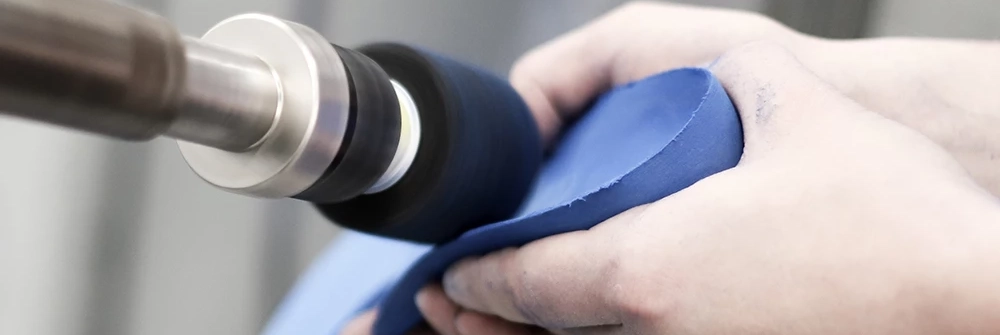
For brands entering the foot health or footwear market, custom orthotic insoles offer a powerful way to differentiate products. However, many buyers do not fully understand the manufacturing process behind these products.
This guide explains how a custom orthotic insoles manufacturer works from concept to final delivery.
Step 1: Requirement Analysis
The process starts with defining:
- Target market (sports, medical, casual)
- Price positioning
- Functional requirements
Clear positioning ensures efficient development.
Step 2: Structural Design
Design includes:
- Arch support structure
- Heel cup geometry
- Cushioning zones
Advanced manufacturers may use CAD or 3D modeling.
Step 3: Material Selection
Material selection depends on:
- Performance requirements
- Cost targets
- Durability expectations
Multi-layer designs are commonly used.
Step 4: Prototyping
Prototypes allow testing before production:
- Fit testing
- Comfort testing
- Functional evaluation
Multiple revisions are often needed.
Step 5: Testing and Validation
Professional manufacturers conduct:
- Compression testing
- Fatigue testing
- Adhesion testing
This ensures long-term reliability.
Step 6: Mass Production
Production includes:
- Material cutting
- Lamination
- Molding
- Assembly
Automation improves consistency and efficiency.
Step 7: Branding and Packaging
Custom branding includes:
- Logo printing
- Packaging design
- Retail-ready solutions
Common Mistakes to Avoid
- Choosing based on price only
- Skipping sample testing
- Ignoring material differences
Conclusion
Understanding the full process helps brands reduce risk and improve product quality. A reliable custom orthotic insoles manufacturer will guide you through every step.