 English
  Español
  Português
  日本語
日本語  Français
  繁體中文
繁體中文  简体中文
简体中文 
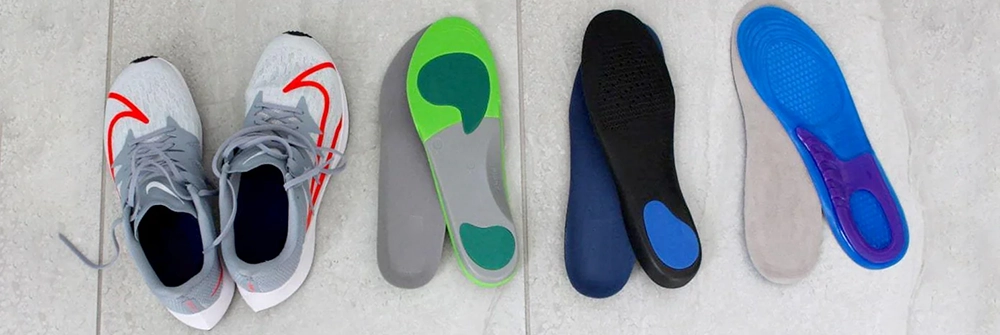
EVA vs PU Insoles – Which Material Is Better for Your Product?
When developing or sourcing insoles, one of the most common questions is:
👉 EVA vs PU insoles – which material should you choose?
Both materials are widely used in the footwear industry, but they offer very different performance characteristics.
Understanding these differences is essential for selecting the right material for your target market and application.
What Are EVA Insoles?
EVA (Ethylene Vinyl Acetate) is a lightweight foam material commonly used in insoles.
Key characteristics:
- Lightweight
- Flexible
- Cost-effective
- Easy to process
👉 EVA is widely used in entry-level and mid-range products.
What Are PU Insoles?
PU (Polyurethane) is a more advanced material known for durability and long-term performance.
Key characteristics:
- High resilience
- Strong support
- Excellent durability
- Better compression resistance
👉 PU is often used in higher-end and performance products.
EVA vs PU Insoles – Side-by-Side Comparison
| Feature | EVA Insoles | PU Insoles |
|---|---|---|
| Weight | Very light | Medium |
| Cushioning | Soft, immediate comfort | Balanced, long-lasting |
| Durability | Moderate | High |
| Compression set | Higher (Flattens faster) | Lower (Retains shape) |
| Cost | Lower | Higher |
| Support | Moderate | Strong |
Key Difference – Cushioning vs Durability
👉 EVA:
- Softer feel
- Immediate comfort
- But loses shape (compresses) over time
👉 PU:
- More stable cushioning
- Maintains performance longer
- Better for long-term use
💥 This is the most important difference: PU maintains its thickness and support far longer than EVA.
Application Scenarios
🔹 EVA Insoles
Best for:
- Lightweight footwear
- Casual shoes
- Budget products
👉 Ideal when cost and weight are priorities.
🔹 PU Insoles
Best for:
- Sports insoles
- Orthotic insoles
- Work and safety footwear
👉 Ideal when performance and durability matter.
Which Material Should You Choose?
👉 Choose EVA if:
- You need a lightweight solution
- Cost is a key factor
- Product is for short-term or casual use
👉 Choose PU if:
- You need long-lasting performance
- Higher support is required
- Product targets mid-to-high-end markets
Can EVA and PU Be Combined?
Yes. Many high-performance insoles use a combination:
- Top layer: EVA for immediate soft comfort
- Bottom layer: PU for support and durability
👉 This creates a balance between comfort and performance.
Custom Insole Manufacturing (EVA & PU)
As a professional EVA and PU insole manufacturer, we offer:
✔ Material Selection
- Different densities and hardness
- Performance optimization
✔ Structure Design
- Multi-layer construction
- Functional zones (Heel & Arch support)
✔ Product Customization
- Logo printing
- Private label packaging
✔ Application Development
- Sports
- Orthotic
- Safety footwear
Conclusion
Both EVA and PU insoles have their advantages.
- EVA focuses on lightweight comfort and cost efficiency
- PU delivers durability, support, and long-term performance
👉 The best choice depends on your product positioning and target market.
Looking for EVA or PU Insole Solutions?
If you are developing new products or sourcing insoles:
👉 Contact us for professional EVA and PU insole manufacturing solutions.