 English
  Español
  Português
  日本語
日本語  Français
  繁體中文
繁體中文  简体中文
简体中文 
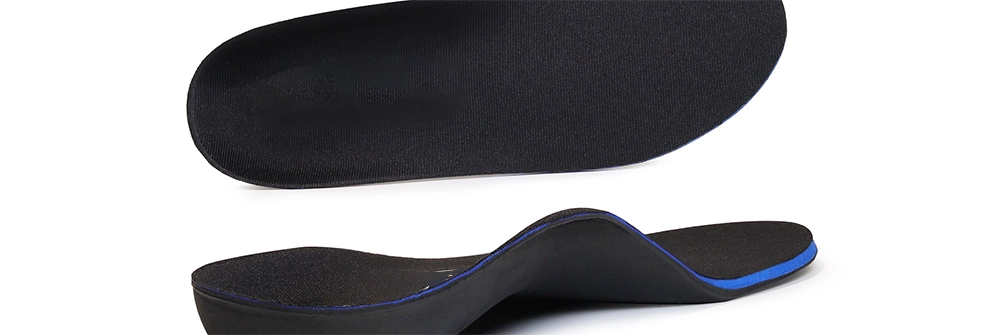
Orthotic insoles are designed to improve foot comfort, provide arch support, and reduce pressure during walking or standing. These specialized inserts are widely used in sports shoes, work boots, and medical footwear. Understanding how orthotic insoles are made helps explain why high-quality insoles provide better performance and durability.
Step 1: Product Design and Development
The manufacturing process begins with product design. Engineers analyze foot biomechanics and determine the level of support, cushioning, and stability required. Computer-aided design software is often used to create precise models of the insole structure.
During this stage, manufacturers determine:
- Arch support height
- Cushioning zones
- Material selection
- Thickness and flexibility
Step 2: Mold Production
Once the design is finalized, molds are produced. These molds define the exact shape of the insole. Steel or aluminum molds are commonly used for foam molding processes.
Accurate mold design ensures consistent quality during mass production.
Step 3: Material Preparation
Several materials are commonly used in orthotic insoles:
- EVA foam
- PU foam
- Gel inserts
- TPU arch support shells
- Memory foam
Each material provides different levels of cushioning, durability, and flexibility.
Step 4: Molding and Shaping
The prepared materials are placed into molds and shaped through heat and pressure. This process creates the final structure of the insole.
For orthotic insoles, additional structural components such as TPU arch supports may be embedded during this stage.
Step 5: Surface Lamination
After molding, the top fabric layer is applied. This layer improves comfort, moisture control, and durability.
Common top fabrics include:
- Mesh fabric
- Velvet fabric
- Antibacterial textile
Step 6: Cutting and Finishing
The insoles are cut into specific sizes using die-cutting machines. Edges are trimmed to ensure a smooth finish.
Step 7: Quality Inspection
Before packaging, insoles undergo strict quality control inspections. Manufacturers check:
- Material consistency
- Arch support accuracy
- Surface bonding strength
- Overall product durability
Conclusion
Modern orthotic insoles are produced through a combination of advanced design, precision molds, and high-performance materials. This manufacturing process ensures consistent quality and long-lasting comfort for users.
FAQ
What materials are used in orthotic insoles?
Common materials include EVA foam, PU foam, gel inserts, and TPU arch support shells.
How long do orthotic insoles last?
High-quality orthotic insoles usually last between six months and one year depending on usage.