 English
  Español
  Português
  日本語
日本語  Français
  繁體中文
繁體中文  简体中文
简体中文 
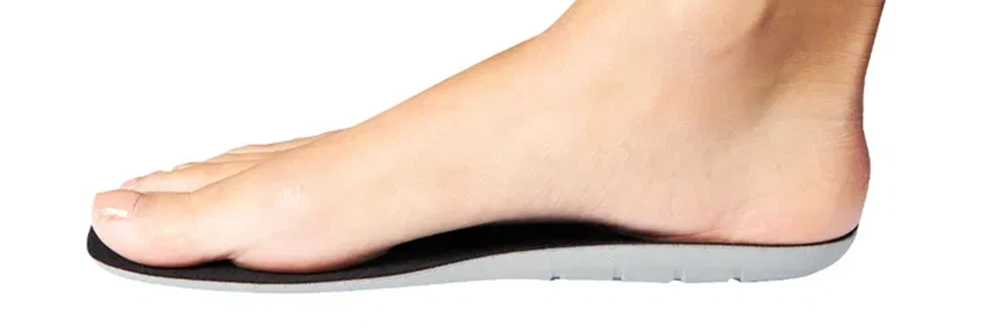
In the world of footwear manufacturing, the insole is often referred to as the "soul" of the shoe. For athletes, runners, or those standing for long hours, the pressure on the soles of the feet can reach several times their body weight. Having spent years in insole R&D and production, our factory has witnessed every major material revolution. Among countless combinations, the fusion of PU and GEL remains the industry's "gold standard" for impact protection.
PU (Polyurethane): The Foundation of Structural Support
PU is the preferred base material for mid-to-high-end insoles due to its superior physical properties:
Micro-cellular Structure and Breathability: High-quality open-cell PU foam (commonly used in our factory) offers excellent breathability. During exercise, feet generate significant heat and sweat; the microporous structure of PU allows for air circulation, keeping the feet dry and inhibiting bacterial growth.
Superior Compression Set Resistance: Unlike cheap EVA insoles that flatten after a few months, premium PU possesses high "memory." It returns to its original shape even after millions of steps, providing consistent, stable support for the arch.
GEL: The Instantaneous Impact "Absorber"
If PU is the foundation, GEL is the precision shock absorber. GEL materials (usually polyurethane-based or silicone) behave like a "solid-liquid" hybrid, converting vertical impact forces into horizontal shear forces.
Heel Strike Protection: The moment a runner’s heel hits the ground, the impact is peak. By embedding high-elasticity GEL into the heel area, we can absorb over 30% of the initial shock, protecting the ankle and knee joints.
Forefoot Energy Return: Strategic placement of specific density GEL pads in the forefoot can provide a subtle energy return during the "toe-off" phase, reducing energy loss during propulsion.
Factory Craftsmanship: Dual-Density Injection Molding
Merging these two materials seamlessly is the ultimate test of a factory’s technical capability. We utilize advanced Automated Dual-Color Injection Molding. This process ensures that the GEL inserts and the PU base achieve a molecular-level bond within the mold. This eliminates the risk of delamination common with traditional adhesives and ensures a unified, durable finish.
Conclusion
Choosing a high-quality athletic insole is essentially an investment in scientific material distribution. As a manufacturer, we are dedicated to optimizing the ratio of PU to GEL to provide global brands with solutions that align with human ergonomics. As we look toward the future, incorporating 3D printing and smart sensing materials, we continue to push the boundaries of insole technology.