 English
  Español
  Português
  日本語
日本語  Français
  繁體中文
繁體中文  简体中文
简体中文 
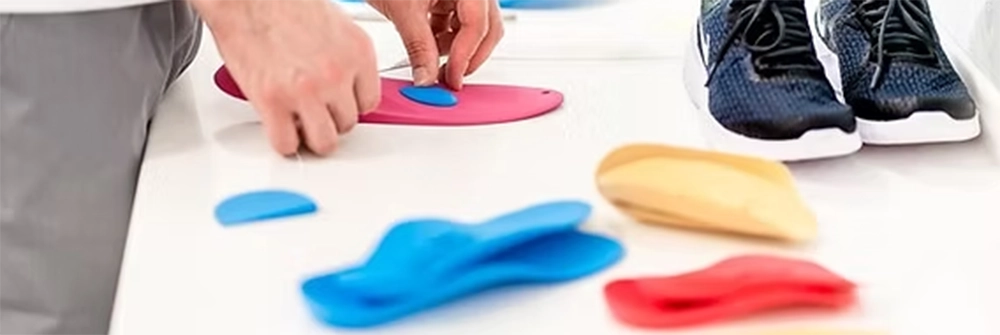
EVA and PU are two of the most commonly used materials in shoe insoles. Both materials provide cushioning and comfort, but they have different properties that make them suitable for different applications.
What Are EVA Insoles?
EVA stands for ethylene-vinyl acetate. It is a lightweight foam material widely used in athletic footwear.
Key characteristics include:
- Lightweight
- Flexible
- Cost-effective
- Good shock absorption
EVA insoles are commonly used in running shoes and casual footwear.
What Are PU Insoles?
PU stands for polyurethane. This material is more durable and resilient than EVA foam.
Key characteristics include:
- High durability
- Excellent cushioning
- Better compression resistance
- Longer lifespan
PU insoles are commonly used in work boots and orthotic footwear.
EVA vs PU Comparison
- EVA is lighter than PU
- PU is more durable than EVA
- EVA is more flexible
- PU provides longer-lasting cushioning
Which Material Is Better?
The best material depends on the intended use.
EVA is ideal for lightweight athletic footwear, while PU is better for work boots and long-term support.
Conclusion
Both EVA and PU insoles provide valuable benefits. Choosing the right material depends on the application, durability requirements, and comfort preferences.
FAQ
Are PU insoles better than EVA?
PU insoles are generally more durable and maintain cushioning longer.
Why are EVA insoles popular?
EVA insoles are lightweight and cost-effective, making them popular in sports footwear.