 English
  Español
  Português
  日本語
日本語  Français
  繁體中文
繁體中文  简体中文
简体中文 
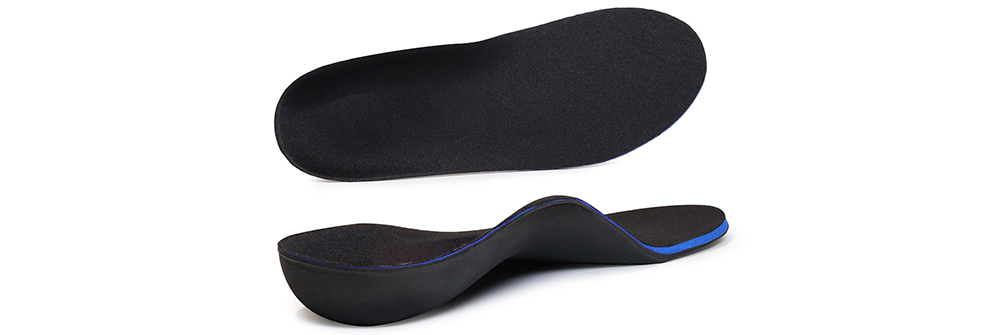
Orthotic insoles were once considered a niche product used mainly for medical conditions. Today, they are rapidly moving into the mainstream footwear market, driven by growing awareness of foot health, advances in technology, and changing consumer behavior.
For brands, retailers, and manufacturers, this shift represents a major opportunity—but also requires a clear understanding of how the market is evolving.
From Medical Device to Everyday Product
Traditionally, orthotic insoles were:
-
Prescribed by podiatrists
-
Custom-made for specific conditions
-
Sold mainly through clinics
Now, the landscape has changed.
👉 Orthotic-style insoles are increasingly found in:
-
Retail stores
-
E-commerce platforms
-
Sports and lifestyle footwear
This transition is turning orthotic insoles from a medical necessity into a lifestyle product.
1. Rising Awareness of Foot Health
Consumers today are more informed about:
-
Foot alignment
-
Posture and biomechanics
-
Long-term joint health
👉 Many people now understand that:
Foot support affects not only comfort, but also knees, hips, and back health.
As a result, more users are proactively choosing orthotic insoles—even without diagnosed conditions.
2. Growth of Common Foot Problems
Modern lifestyles contribute to foot-related issues such as:
-
Plantar fasciitis
-
Flat feet
-
Overpronation
-
Heel pain
👉 Key drivers include:
-
Long hours standing or walking
-
Sedentary habits
-
Poor footwear choices
This has significantly expanded the target market for orthotic insoles.
3. Influence of Sports and Fitness Trends
Athletes and active consumers are increasingly using orthotic insoles to:
-
Improve performance
-
Prevent injuries
-
Enhance comfort during training
👉 Running and fitness communities have played a major role in normalizing orthotic use.
What was once “medical” is now seen as performance-enhancing.
4. Technology Making Orthotics More Accessible
One of the biggest factors driving mainstream adoption is technology.
Key innovations:
-
3D foot scanning
-
Digital gait analysis
-
CAD/CAM manufacturing
-
Semi-custom production
👉 These advancements:
-
Reduce cost
-
Improve accessibility
-
Enable mass customization
orthotic insoles are no longer limited to expensive, clinic-based solutions.
5. Rise of Semi-Custom and Modular Insoles
Fully custom orthotics are still expensive, but the market is shifting toward:
-
Semi-custom insoles
-
Modular support systems
-
Heat-moldable designs
👉 Benefits:
-
Lower price point
-
Faster production
-
Good balance between customization and scalability
This makes orthotic features accessible to a wider audience.
6. Integration into Footwear Brands
Many footwear brands are now integrating orthotic principles directly into their products.
Examples include:
-
Built-in arch support
-
Contoured footbeds
-
Ergonomic insole structures
👉 This blurs the line between:
-
Standard insoles
7. E-commerce and Direct-to-Consumer Growth
Online platforms have made orthotic insoles easier to access.
Consumers can now:
-
Order based on foot type
-
Use online assessment tools
-
Receive customized or semi-custom products
👉 This has significantly expanded the market reach.
8. Aging Population and Healthcare Demand
In Europe and the US, aging populations are driving demand for:
-
Pain relief solutions
-
Mobility support
-
Preventive healthcare products
👉 orthotic insoles play a key role in:
-
Reducing foot pain
-
Improving walking comfort
-
Supporting long-term health
9. Changing Consumer Perception
Perhaps the most important shift is perception.
👉 Before:
Orthotics = medical, corrective, niche
👉 Now:
Orthotics = comfort, performance, everyday use
This change is a major reason why the market is expanding so quickly.
Challenges to Mainstream Adoption
Despite strong growth, there are still barriers:
1. Cost perception
Custom orthotics are still seen as expensive.
2. Lack of understanding
Some consumers are unsure whether they need orthotic support.
3. Fit and comfort issues
Poorly designed products can lead to discomfort.
👉 Education and product design are key to overcoming these challenges.
What This Means for Manufacturers
For OEM/ODM suppliers, the shift toward mainstream orthotic insoles creates new opportunities:
Key directions:
-
Develop semi-custom solutions
-
Combine comfort and support features
-
Offer scalable customization
-
Focus on ergonomic design
👉 The future is not just “medical orthotics,” but mass-market functional insoles.
Final Thoughts
orthotic insoles are clearly becoming mainstream, driven by health awareness, technology, and changing consumer expectations.
The market is evolving from:
👉 Medical-only → Everyday essential
For brands and importers, this presents a strong opportunity to develop products that combine:
-
Comfort
-
Support
-
Accessibility
-
Performance
At Aybroad, we help brands develop both custom and semi-custom orthotic insole solutions tailored for modern markets, combining ergonomic design with scalable manufacturing.
👉 Contact us today to explore orthotic insole development or request a sample.