 English
  Español
  Português
  日本語
日本語  Français
  繁體中文
繁體中文  简体中文
简体中文 
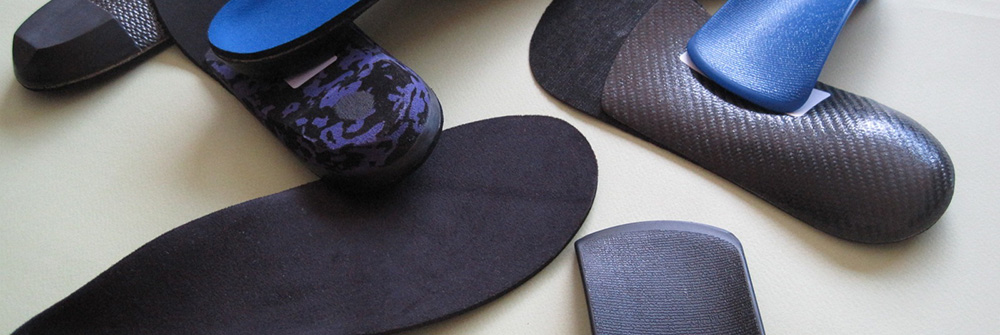
The running shoe market is evolving rapidly, and insoles are no longer just a basic component—they are becoming a key performance differentiator. As consumer expectations rise, running brands are investing more in advanced insole technologies to improve comfort, energy return, and injury prevention.
For manufacturers and brands, understanding the latest sports insole trends in running shoes is essential to stay competitive in both performance and lifestyle segments.
1. Shift Toward Performance-Driven Insoles
Traditionally, insoles were designed mainly for comfort. Today, they are engineered for performance enhancement.
Modern running insoles focus on:
-
Energy return
-
Biomechanical support
-
Impact reduction
👉 Insoles are now integrated into the overall performance system of the shoe, rather than treated as a replaceable accessory.
2. High Energy Return Materials
One of the biggest trends is the use of materials that provide high rebound and responsiveness.
Common materials include:
-
TPU (thermoplastic polyurethane)
-
Supercritical foams
-
Advanced EVA blends
👉 Benefits:
-
Improved running efficiency
-
Reduced energy loss
-
Better push-off performance
3. Multi-Density and Zoned Design
Modern sports insoles use multi-density construction to optimize different areas of the foot.
Typical zoning:
-
Heel → soft cushioning for impact
-
Midfoot → structured support
-
Forefoot → high rebound for propulsion
👉 This targeted approach improves both comfort and performance.
4. Lightweight Engineering
Weight reduction remains a critical focus in running shoe design.
Insole trends include:
-
Low-density foams
-
Thinner yet functional structures
-
Optimized geometry
👉 Even small weight reductions can enhance speed and endurance.
5. Integration with Midsole Technology
Insoles are increasingly designed to work together with the midsole, rather than independently.
Examples:
-
Matching foam properties
-
Coordinated energy return systems
-
Layered cushioning strategies
👉 This integration creates a more consistent and efficient running experience.
6. Customized and Personalized Insoles
Personalization is a growing trend in running footwear.
Technologies driving this trend:
-
3D foot scanning
-
Gait analysis
-
Data-driven design
👉 Benefits:
-
Better fit
-
Improved biomechanics
-
Reduced injury risk
7. Enhanced Breathability and Moisture Control
Running generates significant heat and sweat.
Modern insoles focus on:
-
Moisture-wicking fabrics
-
Perforated foam structures
-
Ventilation channels
👉 This improves comfort and hygiene during long runs.
8. Durability Improvements
Runners demand insoles that maintain performance over time.
Key developments:
-
High-resilience foams
-
Improved compression resistance
-
Long-lasting cushioning
👉 Durable insoles reduce the need for frequent replacement.
9. Sustainable Materials
Sustainability is becoming increasingly important, especially in Europe and the US.
Trends include:
-
Recycled EVA
-
Bio-based materials
-
Eco-friendly production processes
👉 Brands are using sustainability as a key selling point.
10. Smart and Data-Driven Insoles (Emerging Trend)
Although still developing, smart insoles are gaining attention.
Features may include:
-
Embedded sensors
-
Real-time gait tracking
-
Performance analytics
👉 This opens new possibilities for training and injury prevention.
Common Mistakes to Avoid
1. Overemphasizing softness
Too soft insoles reduce energy return and performance.
2. Ignoring integration with the shoe
Insoles must work with the midsole and overall shoe design.
3. Using single-material designs
Limits performance optimization.
4. Neglecting durability
High performance must be maintained over time.
What This Means for Manufacturers
For OEM/ODM suppliers, these trends highlight key opportunities:
-
Develop multi-material insole solutions
-
Invest in high-rebound materials
-
Offer customization capabilities
-
Focus on lightweight and durable designs
👉 Innovation in insoles can significantly increase product value.
Final Thoughts
Sports insoles are becoming a critical component in modern running shoes, driving improvements in comfort, performance, and user experience.
The key trends include:
-
High energy return materials
-
Multi-density and zoned designs
-
Lightweight construction
-
Personalization and sustainability
For running brands, investing in advanced insole technology is no longer optional—it is essential for staying competitive in a rapidly evolving market.
At Aybroad, we specialize in developing custom sports insole solutions for running brands, combining advanced materials, optimized structures, and OEM expertise to meet modern performance demands.
👉 Contact us today to discuss your project or request a sample.