 English
  Español
  Português
  日本語
日本語  Français
  繁體中文
繁體中文  简体中文
简体中文 
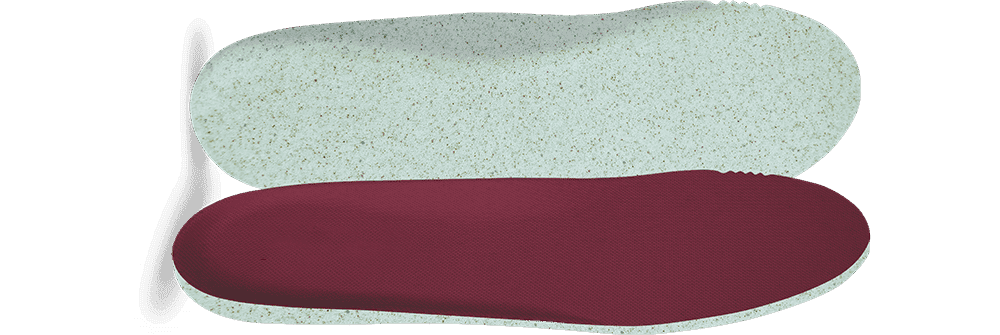
Insoles play an important role in improving shoe comfort, shock absorption, and foot support. Among the many types of insoles available today, liquid gel insoles and foam insoles are two of the most common options used in sports shoes, work boots, and everyday footwear.
Although both types are designed to enhance comfort, they work in very different ways. Understanding the differences between liquid gel insoles and foam insoles can help footwear brands, retailers, and consumers choose the most suitable option.
What Are Liquid Gel Insoles?
Liquid gel insoles use sealed chambers filled with liquid cushioning material. These chambers are usually made from flexible TPU film that is sealed through high-frequency welding.
The liquid inside the chambers moves when pressure is applied, allowing the insole to redistribute weight across the foot. This dynamic movement helps reduce pressure points and improves shock absorption.
Many liquid insoles use glycerin-based fluid combined with a soft textile surface layer such as velvet or breathable fabric.
What Are Foam Insoles?
Foam insoles are made from cushioning materials such as EVA foam, PU foam, or memory foam. These materials absorb shock by compressing under body weight.
Foam insoles are widely used because they are lightweight, affordable, and easy to manufacture. However, their cushioning performance depends mainly on material compression.
Over time, foam materials may lose elasticity due to repeated pressure.
Key Differences Between Liquid Gel Insoles and Foam Insoles
Cushioning Mechanism
Liquid gel insoles absorb shock through fluid movement inside sealed chambers. The liquid shifts under pressure and redistributes weight across the foot.
Foam insoles absorb impact through compression of the foam material. Once the foam compresses repeatedly, its cushioning ability can gradually decrease.
Pressure Distribution
Liquid insoles provide dynamic pressure distribution because the liquid moves to areas with higher pressure.
Foam insoles distribute pressure based on the shape and density of the foam, which is more static compared with liquid cushioning.
Durability
Liquid gel insoles often maintain their cushioning performance for longer periods because the liquid does not permanently compress.
Foam insoles can flatten over time, especially when used in work boots or high-impact footwear.
Weight and Structure
Foam insoles are generally lightweight and simple in structure.
Liquid gel insoles may be slightly heavier due to the sealed liquid chambers, but they provide a more responsive cushioning experience.
When to Choose Liquid Gel Insoles
Liquid gel insoles are often preferred for:
- Long hours of standing
- Work boots and safety footwear
- High-impact walking environments
- People needing better pressure distribution
When to Choose Foam Insoles
Foam insoles may be suitable for:
- Lightweight athletic footwear
- Casual daily use
- Low-cost shoe products
- Situations where minimal thickness is required
Which Insole Is Better?
The answer depends on the application and comfort requirements.
Liquid gel insoles generally provide better shock absorption and pressure distribution due to the movement of the liquid inside the chambers. They are particularly effective for people who spend long hours standing or walking.
Foam insoles remain a practical solution for lightweight footwear and cost-sensitive products.
For footwear brands looking to develop premium comfort products, liquid cushioning technology is becoming an increasingly popular option.
Conclusion
Both liquid gel insoles and foam insoles offer benefits for improving footwear comfort. Foam insoles rely on material compression to absorb shock, while liquid gel insoles use dynamic fluid movement to redistribute pressure.
Choosing the right type depends on the desired balance between comfort, durability, weight, and cost.
FAQ
Are liquid gel insoles better than foam insoles?
Liquid gel insoles generally provide better pressure distribution and long-lasting cushioning compared with traditional foam insoles.
Do foam insoles wear out faster?
Foam insoles can lose elasticity over time because the material compresses repeatedly during use.
Are liquid insoles comfortable for long standing?
Yes. Liquid insoles can help reduce pressure points and improve comfort for people who stand or walk for long periods.