 English
  Español
  Português
  日本語
日本語  Français
  繁體中文
繁體中文  简体中文
简体中文 
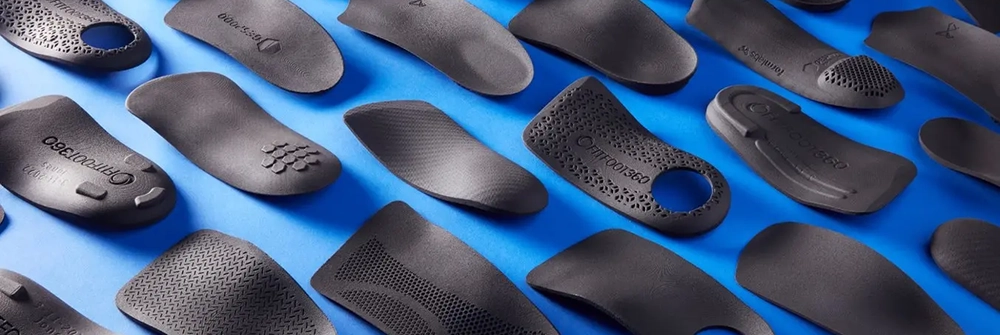
Insole manufacturing involves multiple processes—material foaming, molding, lamination, cutting, and finishing. At each stage, defects can occur that affect comfort, durability, appearance, and overall product quality.
For brands, importers, and manufacturers, understanding these common defects—and how to prevent them—is essential to reduce returns, improve consistency, and protect brand reputation.
Why Quality Control Matters in Insole Production
Even small defects can lead to:
-
Customer complaints
-
Reduced product lifespan
-
Fit and comfort issues
-
Increased return rates
👉 Consistent quality is a key competitive advantage, especially in the US and EU markets.
1. Compression Set (Permanent Deformation)
Problem:
The insole loses its shape after repeated use and does not rebound.
👉 Causes:
-
Low-density or poor-quality foam
-
Incorrect material formulation
-
Insufficient curing during production
Impact:
-
Reduced cushioning
-
Poor long-term comfort
How to avoid:
-
Use high-resilience materials (PU, high-quality EVA)
-
Control density and hardness
-
Perform compression set testing
2. Delamination (Layer Separation)
Problem:
Different layers of the insole separate over time.
👉 Causes:
-
Weak adhesive
-
Improper bonding temperature or pressure
-
Incompatible materials
Impact:
-
Product failure
-
Poor user experience
How to avoid:
-
Use high-quality adhesives
-
Optimize lamination process
-
Test bonding strength
3. Uneven Thickness
Problem:
Insole thickness varies across different areas.
👉 Causes:
-
Poor mold design
-
Inconsistent material distribution
-
Process instability
Impact:
-
Poor fit inside shoes
-
Uneven pressure distribution
How to avoid:
-
Improve mold precision
-
Use controlled production parameters
-
Inspect thickness regularly
4. Surface Defects (Bubbles, Wrinkles, Rough Finish)
Problem:
Visible defects on the insole surface.
👉 Causes:
-
Air trapped during molding
-
Poor lamination
-
Low-quality top fabric
Impact:
-
Reduced aesthetic quality
-
Possible discomfort
How to avoid:
-
Improve molding conditions
-
Use proper lamination techniques
-
Select high-quality materials
5. Odor Issues
Problem:
Strong or unpleasant smell from the insole.
👉 Causes:
-
Low-quality raw materials
-
Chemical residues
-
Poor ventilation during production
Impact:
-
Customer dissatisfaction
-
Negative brand perception
How to avoid:
-
Use certified, low-odor materials
-
Ensure proper curing and ventilation
-
Test for VOC levels
6. Poor Adhesion of Top Fabric
Problem:
Top fabric peels off after use.
👉 Causes:
-
Weak glue
-
Incorrect bonding temperature
-
Surface contamination
Impact:
-
Reduced durability
-
Poor appearance
How to avoid:
-
Use suitable adhesives
-
Control bonding conditions
-
Clean surfaces before lamination
7. Inconsistent Hardness (Shore A/C Variation)
Problem:
Different batches have different hardness levels.
👉 Causes:
-
Inconsistent material mixing
-
Poor process control
-
Variations in raw materials
Impact:
-
Inconsistent product performance
-
Customer complaints
How to avoid:
-
Standardize material formulations
-
Use precise mixing and measurement
-
Conduct hardness testing for each batch
8. Warping or Deformation
Problem:
Insoles lose their shape during storage or after production.
👉 Causes:
-
Improper cooling
-
Poor storage conditions
-
Low structural stability
Impact:
-
Poor fit
-
Reduced usability
How to avoid:
-
Control cooling process
-
Store products properly
-
Use stable material structures
9. Poor Cutting Accuracy
Problem:
Insoles do not match required sizes or shapes.
👉 Causes:
-
Inaccurate cutting dies
-
Manual cutting errors
-
Poor alignment
Impact:
-
Fit issues
-
Increased waste
How to avoid:
-
Use precise cutting tools
-
Implement quality checks
-
Automate cutting where possible
10. Color Inconsistency
Problem:
Different batches show color variation.
👉 Causes:
-
Inconsistent pigment mixing
-
Material differences
-
Process variations
Impact:
-
Brand inconsistency
-
Customer dissatisfaction
How to avoid:
-
Standardize color formulas
-
Use consistent raw materials
-
Perform color inspections
Key Quality Control Strategies
To minimize defects, manufacturers should implement:
1. Incoming Material Inspection
Ensure raw materials meet required standards.
2. In-Process Quality Control
Monitor production at every stage.
3. Final Product Testing
Check performance, durability, and appearance.
4. Standard Operating Procedures (SOPs)
Ensure consistency across batches.
5. Continuous Improvement
Analyze defects and improve processes over time.
Common Mistakes to Avoid
1. Focusing only on cost
Low-cost materials often lead to higher defect rates.
2. Skipping testing
Without testing, defects may only appear after shipment.
3. Poor communication with suppliers
Unclear specifications lead to inconsistent results.
4. Ignoring small defects
Minor issues can escalate into major problems.
Final Thoughts
Insole production involves multiple variables, and defects can occur at any stage. The key to success is proactive quality control and process optimization.
By understanding common defects and implementing effective prevention strategies, brands and manufacturers can:
-
Improve product consistency
-
Reduce returns and complaints
-
Enhance customer satisfaction
At Aybroad, we work closely with clients to control quality throughout the production process, helping reduce defects and ensure consistent performance across batches.
👉 Contact us today to discuss your project or request samples for evaluation.