 English
  Español
  Português
  日本語
日本語  Français
  繁體中文
繁體中文  简体中文
简体中文 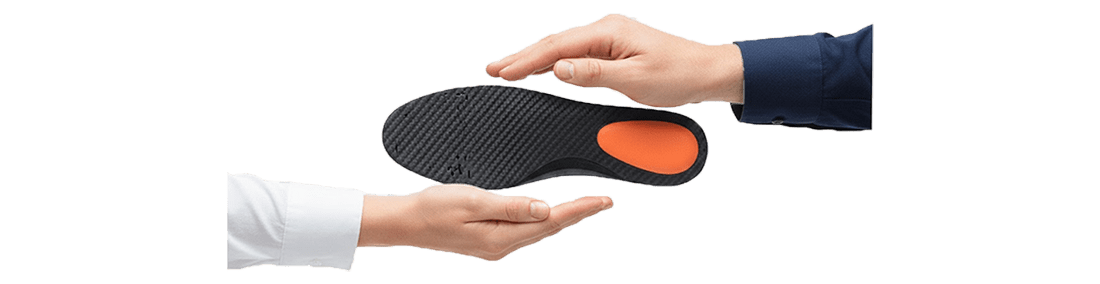
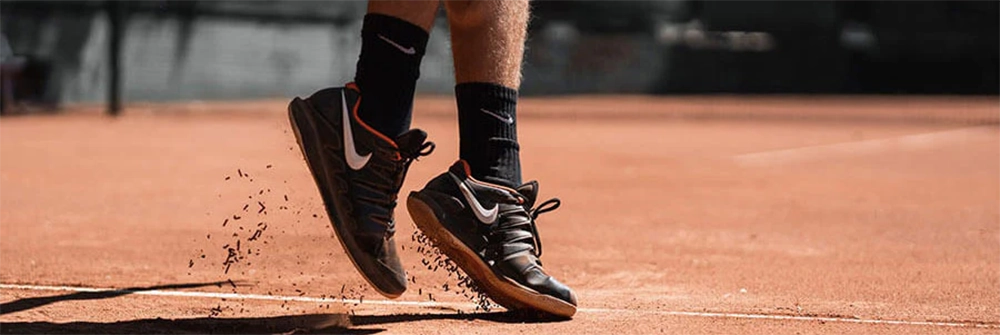
Looking for a reliable athletic insoles manufacturer for your sports footwear or insole brand?
High-performance sports insoles require more than basic cushioning. They must deliver shock absorption, stability, energy return, and durability under dynamic conditions.
As an experienced sports insoles OEM manufacturer, we provide fully customized solutions tailored to your product positioning and performance requirements.
What Are Athletic Insoles?
Athletic insoles are designed for dynamic movement and high-impact activities such as:
- Running
- Training
- Fitness
- Sports performance
👉 Compared to standard insoles, they require:
- Better shock absorption
- Enhanced stability
- Improved energy control
Key Performance Requirements for Sports Insoles
🔹 Shock Absorption
High-impact activities generate significant force on the feet.
👉 Materials like PU, EVA, Gel, or advanced cushioning systems help reduce impact stress.
🔹 Stability & Support
Sports insoles must control foot movement and prevent excessive torsion.
👉 TPU support structures or reinforced arch zones improve stability.
🔹 Energy Management
Efficient energy transfer improves athletic performance.
👉 Proper material selection reduces energy loss and enhances responsiveness (Energy Return).
🔹 Durability
Sports use involves repetitive stress and high friction.
👉 Materials must maintain their mechanical properties and shape over time.
Material Options for Athletic Insoles
We offer a wide range of materials depending on your product goals:
- PU – durability and long-term cushioning
- EVA – lightweight and flexible
- TPU – structural support and anti-torsion chassis
- Gel / Liquid – localized high-efficiency shock absorption
- Advanced cushioning materials – impact diffusion and low rebound (PORON style)
👉 Multi-layer combinations are often used for optimal performance.
Structural Design Options
Different sports require different engineering structures:
🔹 Running Insoles
- Heel cushioning (Impact protection)
- Forefoot flexibility (Toe-off efficiency)
- Lightweight design
🔹 Training Insoles
- Stability-focused construction
- Reinforced arch support
- Balanced cushioning for multi-directional movement
🔹 Performance Insoles
- Multi-zone support
- Advanced material integration (Carbon fiber or TPU plates)
Custom Sports Insoles Manufacturing (OEM / ODM)
As a professional sports insoles manufacturer, we provide full-service OEM and ODM solutions:
✔ Requirement Analysis
- Product positioning
- Target market
- Functional requirements
✔ Engineering Design
- 3D design and structure development
- Material selection & chemical compatibility
✔ Prototyping
- Rapid sample development
- Performance validation & lab testing
✔ Mass Production
- Stable production capacity
- Strict quality control
✔ Branding & Packaging
- Private label (Heat transfer or silk screen)
- Custom packaging
Applications
Our athletic insoles are used in:
- Sports footwear brands
- Insole-specific brands
- Retail and e-commerce products
- Custom orthotic projects
Why Work with a Professional Athletic Insoles Manufacturer?
- Faster product development cycles
- Reliable material selection based on biomechanics
- Consistent quality and dimensional stability
- Flexible customization options
👉 Working with an experienced manufacturer reduces risk and improves product competitiveness.
Why Choose Us?
- Strong experience in high-performance sports insole development
- Advanced material integration capability (Multi-density injection)
- Flexible OEM / ODM services
- Stable quality and global supply chain expertise
👉 We help you bring high-performance insole products to market efficiently.
Get a Quote
Looking for a trusted athletic insoles manufacturer?
👉 Contact us today to start your custom sports insole project.