 English
  Español
  Português
  日本語
日本語  Français
  繁體中文
繁體中文  简体中文
简体中文 
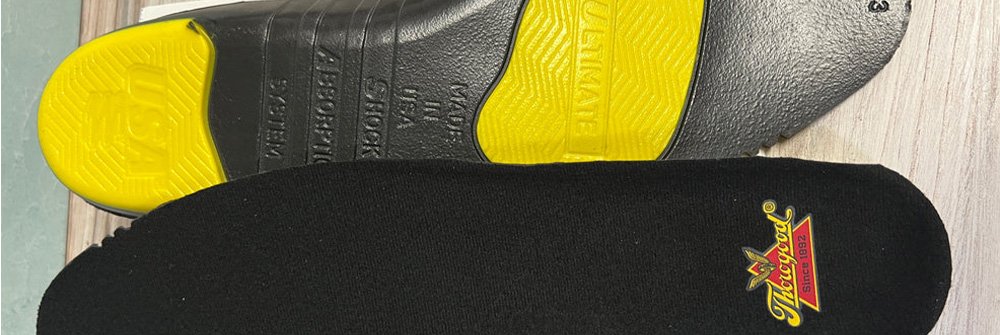
When developing or sourcing insoles, density is one of the most important—but often misunderstood—material parameters. Many buyers focus only on hardness (Shore A/C), but density plays an equally critical role in determining how an insole feels, performs, and lasts over time.
In this guide, we explain what density means, how it differs from hardness, and how to choose the right density for different insole applications.
What Is Density in Insole Materials?
Density refers to the mass of a material per unit volume, typically measured in kg/m³. In simple terms, it describes how “compact” or “solid” a foam material is.
For insole materials like EVA and PU:
-
Low density = lighter, more air content, softer feel
-
High density = heavier, more compact, more durable
Density vs Hardness: What’s the Difference?
Density and hardness are often confused, but they are not the same.
-
Hardness (Shore A/C) measures resistance to surface indentation
-
Density measures internal material structure
👉 Important:
Two insoles can have the same hardness but very different density—and completely different performance.
Example:
-
Low-density EVA (soft & light) may feel comfortable but compress quickly
-
High-density EVA (same hardness) will last longer and provide better support
Why Density Matters
1. Comfort
Lower-density materials generally feel softer and more cushioned. They are ideal for:
-
Casual wear
-
Short-term use
-
Immediate comfort
However, very low density may lead to a “bottoming out” effect, where the material compresses too easily under body weight.
2. Durability
Higher-density materials resist compression and deformation better. They:
-
Maintain shape over time
-
Provide consistent support
-
Extend product lifespan
This is critical for:
-
Work boots
-
Orthotic insoles
-
Heavy-use environments
3. Weight
Density directly affects weight:
-
Low density → lightweight
-
High density → heavier
For sports applications, lower weight is often preferred, but not at the cost of durability.
4. Support and Stability
Higher-density materials provide:
-
Better structural integrity
-
Stronger arch support
-
Improved motion control
This is especially important for orthotic and performance insoles.
Recommended Density by Application
1. Sports Insoles
Sports insoles require a balance between cushioning and responsiveness.
Recommended:
-
Top layer: 90–130 kg/m³
-
Mid layer: 120–160 kg/m³
-
Support layer: 150–200 kg/m³
👉 Focus:
-
Lightweight performance
-
Shock absorption
-
Energy return
2. Orthotic Insoles
Orthotic products prioritize support and long-term stability.
Recommended:
-
Cushion layer: 120–160 kg/m³
-
Structural layer: 180–250 kg/m³
👉 Focus:
-
Arch support
-
Shape retention
-
Long-term use
3. Work Boot Insoles
For industrial use, durability and fatigue resistance are critical.
Recommended:
-
Cushion layer: 130–180 kg/m³
-
Base layer: 180–250 kg/m³
👉 Focus:
-
Compression resistance
-
Anti-fatigue performance
-
Heavy load support
4. Everyday Comfort Insoles
Daily-use insoles prioritize softness and flexibility.
Recommended:
-
Full structure: 80–120 kg/m³
👉 Focus:
-
Immediate comfort
-
Lightweight feel
Material Differences in Density
EVA
-
Wide density range
-
Easy to control
-
Most common in sports and casual insoles
PU
-
Typically higher density than EVA
-
Better durability and resilience
-
Ideal for premium products
TPU
-
High density and elasticity
-
Usually used in specific support zones
👉 Important:
Different materials with the same density can still behave differently due to structure and elasticity.
Multi-Density Construction: The Best Practice
Modern insoles rarely use a single-density material. Instead, they combine layers with different densities:
-
Low-density top layer → comfort
-
Medium-density mid layer → cushioning
-
High-density base layer → support
This layered approach provides:
-
Better performance balance
-
Improved durability
-
Higher product value
Common Mistakes to Avoid
1. Choosing ultra-low density for comfort
It may feel soft initially but will collapse quickly.
2. Ignoring user weight
Heavier users require higher-density materials to prevent deformation.
3. Using single-density designs
This limits performance and reduces competitiveness.
4. Not testing real-use conditions
Lab values are not enough—real wear testing is essential.
How to Choose the Right Density (Quick Checklist)
When selecting density for your insole project, consider:
-
What is the main application?
-
What level of durability is required?
-
What is the target user weight range?
-
What material is being used (EVA, PU, TPU)?
-
Do you need multi-layer construction?
Final Thoughts
Density is a key factor that directly impacts both comfort and durability. While softer, low-density materials offer immediate comfort, higher-density materials ensure long-term performance and support.
The best insole designs strike a balance—often through multi-density construction tailored to specific applications.
At Aybroad, we help brands and importers optimize density, hardness, and material combinations to create high-performance custom insoles for different markets and use cases.
👉 Contact us today to discuss your project or request a free sample.