 English
  Español
  Português
  日本語
日本語  Français
  繁體中文
繁體中文  简体中文
简体中文 
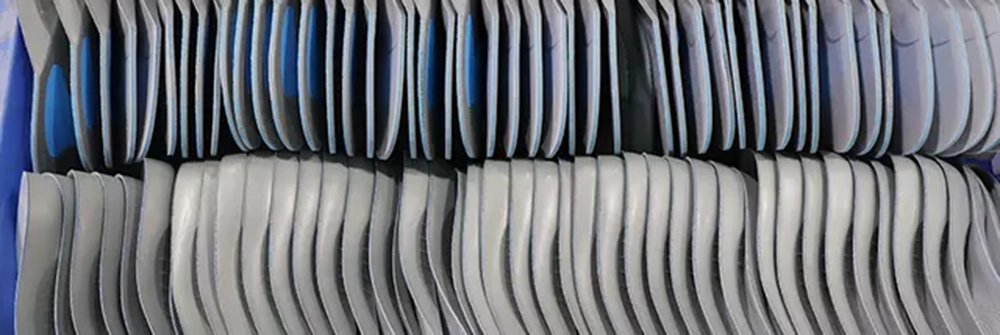
The global demand for orthotic insoles is growing rapidly due to increasing awareness of foot health, sports performance, and long-term comfort. For brands, distributors, and medical suppliers, choosing the right orthotic insoles manufacturer is a critical business decision that directly affects product quality, customer satisfaction, and brand reputation.
What Are Orthotic Insoles?
Orthotic insoles are specially designed inserts that support, align, or improve the function of the foot. Unlike standard insoles, they are engineered to address biomechanical issues such as:
- Overpronation
- Flat feet
- High arches
- Plantar fasciitis
- Heel pain
These products are widely used in medical, sports, and daily wear markets.
Why Choosing the Right Manufacturer Matters
Not all factories are capable of producing high-quality orthotic insoles. A professional manufacturer should have:
- Advanced R&D capability
- Experience in biomechanics
- Material expertise
- Strict quality control systems
Choosing the wrong supplier can result in inconsistent quality, high defect rates, and negative customer feedback.
Key Capabilities of a Professional Orthotic Insoles Manufacturer
1. Biomechanical Design Expertise
A reliable factory should understand foot structure and gait mechanics. This ensures that the insoles provide real corrective support rather than just cushioning.
2. Material Engineering
Material selection is the foundation of orthotic performance. High-quality manufacturers offer:
- PU for durability and support
- EVA for lightweight cushioning
- TPU for structural stability
- GEL for shock absorption
Advanced materials like PORON® and Ortholite® are often used in premium products.
3. Customization (OEM/ODM)
Customization is essential for brand differentiation. A strong manufacturer provides:
- Arch height adjustment
- Heel cup depth customization
- Density control
- Logo and packaging design
This allows brands to create unique products tailored to their market.
4. Sampling and Prototyping
Before mass production, a reliable partner should offer:
- Rapid prototyping
- Multiple sample iterations
- Functional testing
This reduces risk and ensures product-market fit.
5. Production Capacity and Stability
For growing brands, scalability is critical. A good manufacturer must handle:
- Small MOQ for testing
- Large-scale mass production
- Stable lead times
OEM vs ODM in Orthotic Insoles
- OEM: Full customization based on your design
- ODM: Use factory designs with branding
OEM is better for long-term brand building, while ODM is faster for market entry.
Quality Control Standards
A professional orthotic insoles manufacturer should follow strict QC processes:
- Raw material inspection
- Compression and rebound testing
- Durability testing
- Final inspection
Consistency is key in maintaining brand trust.
How to Evaluate a Manufacturer
When selecting a supplier, consider:
- Experience in orthotic products
- Client portfolio (brands, medical clients)
- Certifications (ISO, etc.)
- Communication efficiency
Why Custom Orthotic Insoles Are a Growing Market
With increasing foot health awareness and aging populations, demand is rising in:
- North America
- Europe
- Japan
At the same time, e-commerce and private label brands are expanding rapidly.
Conclusion
Choosing the right orthotic insoles manufacturer is not just about price—it is about expertise, reliability, and long-term partnership. Brands that invest in quality manufacturing partners are more likely to succeed in this competitive market.