 English
  Español
  Português
  日本語
日本語  Français
  繁體中文
繁體中文  简体中文
简体中文 
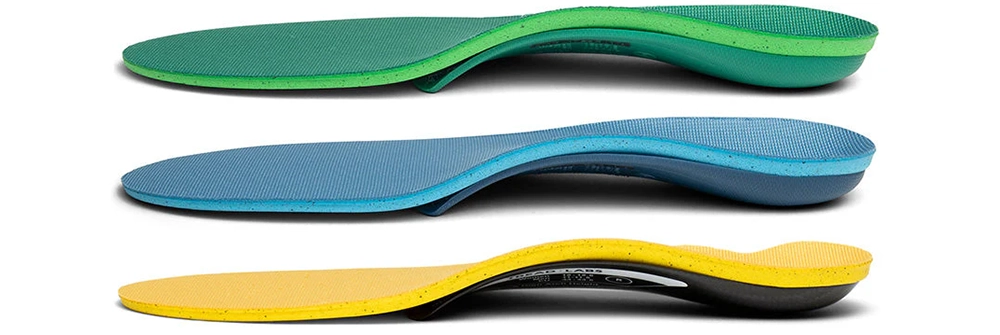
How to Choose Orthotic Insoles
Orthotic insoles are designed to improve foot alignment, relieve pain, and enhance comfort. However, choosing the right orthotic insole can be confusing due to the wide range of materials, designs, and support levels available.
This guide explains how to choose orthotic insoles that match your foot type and daily activities.
Identify Your Arch Type
The first step in choosing orthotic insoles is understanding your arch type.
Flat Feet
People with flat feet need firm arch support to prevent overpronation.
Neutral Arch
Most people fall into this category and benefit from moderate support and cushioning.
High Arch
High arches require extra cushioning to absorb shock.
Consider Your Daily Activity
Different activities require different insole designs.
Sports
Running or athletic activities require lightweight shock-absorbing insoles.
Work
Standing for long hours requires anti-fatigue cushioning and stability.
Medical Support
Orthotic insoles can also help with conditions such as plantar fasciitis and heel pain.
Choose the Right Material
Common orthotic materials include:
EVA foam
-
Lightweight
-
Flexible
-
Good for sports
PU foam
-
More durable
-
Better shock absorption
-
Common in work footwear
Gel
-
Excellent impact absorption
-
Good for heel pain
TPU shells
-
Provide structural arch support
Check Insole Thickness
Not all shoes have the same internal space.
Thin insoles work better for tight shoes, while thicker insoles provide better cushioning in boots or athletic footwear.
Custom vs Prefabricated Insoles
Custom Insoles
Made based on foot scans or molds. They provide the most precise support but are more expensive.
Prefabricated Insoles
These are mass-produced but still provide good support for many people.
FAQ
Do orthotic insoles really work?
Yes. Orthotic insoles help improve foot alignment and reduce pressure on key areas of the foot.
How often should orthotic insoles be replaced?
Most insoles should be replaced every 6–12 months depending on usage.
Can orthotic insoles fit any shoe?
Most orthotic insoles can be trimmed to fit different shoe sizes.