 English
  Español
  Português
  日本語
日本語  Français
  繁體中文
繁體中文  简体中文
简体中文 
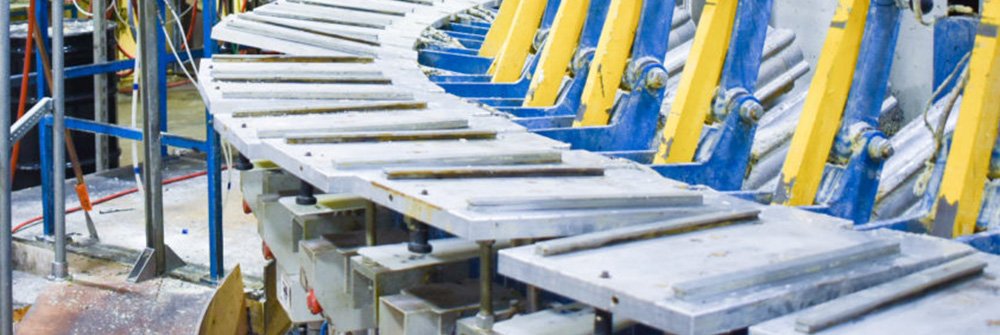
Insole performance is fundamentally determined by materials. For brands and buyers, understanding the characteristics of different materials is essential for making the right product decisions.
1. EVA – The Most Widely Used Material
EVA (Ethylene Vinyl Acetate) is one of the most common materials in the insole industry.
Advantages:
- Lightweight
- Flexible
- Cost-effective
Limitations:
- Lower durability compared to PU
- Compression set over time
EVA is ideal for casual and entry-level sports insoles.
2. PU – Durability and Rebound
PU (Polyurethane) is widely used in premium insoles.
Advantages:
- High durability
- Excellent rebound
- Long lifespan
PU is often used in work insoles and high-end orthotic products where long-term support is required.
3. GEL – Shock Absorption Specialist
Gel insoles are designed to absorb impact effectively.
Advantages:
- Superior cushioning
- Pressure distribution
- Comfort enhancement
These are commonly used in sports and medical applications, especially for users with foot pain.
4. FOAM – Comfort First
Foam materials provide a soft and comfortable feel.
They are often used in combination with other materials to enhance comfort without sacrificing support.
5. Advanced Materials: The Future of Insoles
Modern insoles are increasingly using advanced materials such as:
- PORON® – high shock absorption
- ORTHOLITE® – breathable and antimicrobial
- D3O® – impact protection
- PLA / PCL – eco-friendly materials
These materials combine performance with sustainability, meeting modern market demands.
6. Material Combination Strategy
Most high-quality insoles are not made from a single material. Instead, they use layered structures:
- Top layer: comfort (fabric + foam)
- Middle layer: cushioning (EVA / GEL)
- Bottom layer: support (PU / TPU)
This combination maximizes both comfort and functionality.
7. How to Choose the Right Material
When selecting materials, consider:
- Target market (budget vs premium)
- Application (sports, medical, daily use)
- Brand positioning
- Environmental requirements
Conclusion
Material selection is the foundation of insole performance