 English
  Español
  Português
  日本語
日本語  Français
  繁體中文
繁體中文  简体中文
简体中文 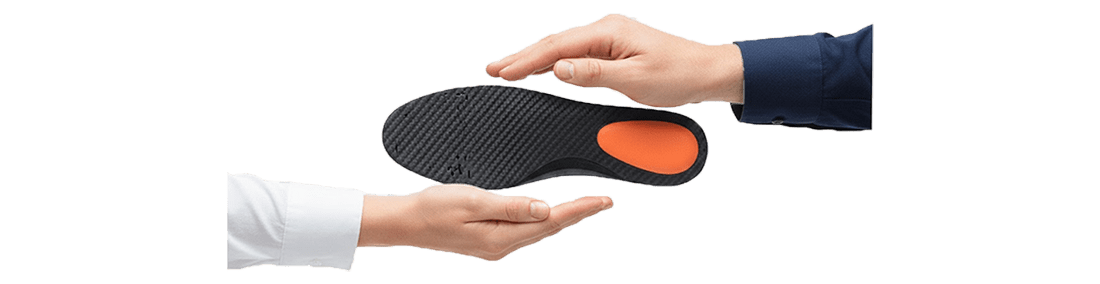
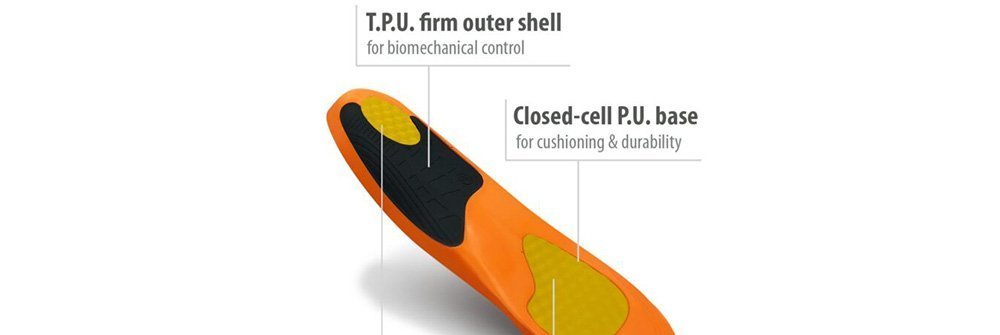
TPU Insole Manufacturer – High Stability & Anti-Torsion Support Solutions
Looking for a reliable TPU insole manufacturer for high-performance footwear or functional insole products?
TPU (Thermoplastic Polyurethane) is widely used in advanced insole structures due to its excellent strength, flexibility, and stability. It plays a critical role in providing anti-torsion support and structural reinforcement, especially in sports and orthotic applications.
What Is TPU in Insoles?
TPU is a durable and flexible material commonly used as a structural component in insoles.
It is typically applied as:
- Arch support plate
- Heel stabilizer
- Full-length support frame
👉 Unlike foam materials, TPU provides mechanical support and stability, rather than just cushioning.
Why Stability Matters in Insoles
During movement, especially in sports, the foot experiences:
- Twisting forces
- Lateral movement
- Impact stress
Without proper support, this can lead to:
- Reduced stability
- Increased fatigue
- Lower performance
👉 TPU structures help control these forces.
Anti-Torsion Function Explained
Anti-torsion refers to the ability of an insole to resist twisting under load.
With TPU support:
- The midfoot is stabilized
- Excessive foot rotation is controlled
- Energy transfer becomes more efficient
👉 This is especially important for:
- Running
- Training
- High-intensity sports
TPU vs Foam Insoles
| Feature | TPU Support | Foam Materials |
|---|---|---|
| Function | Structural support | Cushioning |
| Stability | High | Low–moderate |
| Anti-torsion | Strong | Weak |
| Durability | High | Medium |
👉 TPU and foam are often combined for optimal performance.
Applications of TPU Support Insoles
TPU structures are widely used in:
- Sports insoles
- Orthotic insoles
- High-performance footwear
- Stability-focused products
TPU Design Options in Insoles
Different structures can be developed based on product requirements:
🔹 Arch Support Plate
- Reinforces midfoot
- Improves stability
🔹 Heel Stabilizer
- Controls heel movement
- Enhances balance
🔹 Full-Length TPU Frame
- Maximum structural support
- Suitable for performance products
Custom TPU Insole Manufacturing (OEM / ODM)
As an experienced TPU insole manufacturer, we offer:
✔ Structure Engineering
- TPU thickness control
- Shape and flexibility design
- Multi-layer integration
✔ Material Customization
- Different hardness levels
- TPU + foam combinations
✔ Functional Development
- Stability enhancement
- Anti-torsion optimization
- Performance tuning
✔ Branding & Packaging
- Logo printing
- Private label packaging
Why Choose TPU Insoles for Your Product Line?
- Improved product performance
- Strong differentiation
- Durable structure
- Suitable for premium positioning
👉 TPU is a key material for high-value insole products.
Why Choose Us as Your TPU Insole Manufacturer?
- Experience in structural insole design
- Advanced production capability
- Flexible OEM / ODM solutions
- Stable quality control
👉 We help you develop high-performance insole products.
Get a Quote
Looking for a trusted TPU insole manufacturer?