 English
  Español
  Português
  日本語
日本語  Français
  繁體中文
繁體中文  简体中文
简体中文 
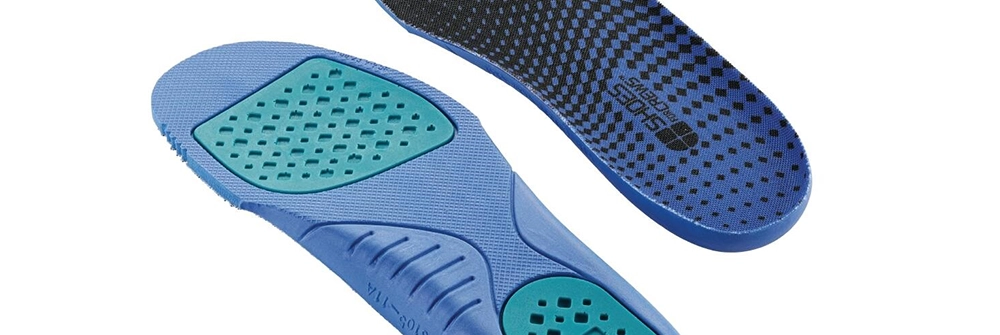
In the demanding world of industrial work and construction, a safety boot is only as good as the foundation it’s built on. While steel toes and waterproof leather provide external protection, the internal "engine" that drives worker productivity and health is the insole.
Today, Dual-Density Polyurethane (PU) has emerged as the gold standard for high-performance footbeds. But what is the science behind this material, and why should independent brands and manufacturers prioritize it?
1. What is Dual-Density PU?
Unlike standard single-layer foam insoles, a dual-density PU footbed is engineered by fusing two layers of polyurethane with different physical properties:
-
The Comfort Layer (Top): A softer, lower-density PU that provides immediate "step-in" comfort and adapts to the contours of the foot.
-
The Support Layer (Bottom): A higher-density, firmer PU designed to absorb heavy impacts and provide structural integrity.
2. The "Compression Set" Advantage
The most critical metric for any work boot insole is the Compression Set—the ability of a material to return to its original thickness after being compressed.
-
Standard EVA: Often flattens out within weeks, losing its cushioning properties and leaving the worker standing on a hard surface.
-
Dual-Density PU: Offers superior memory. It resists "bottoming out," ensuring that the shock absorption on day 300 is nearly as effective as on day 1.
3. Biomechanical Shock Absorption
When a worker walks on concrete for 8–10 hours, the repetitive impact can lead to chronic conditions like Plantar Fasciitis or lower back pain. The dual-density structure acts like a car’s suspension system. The softer top layer dissipates the initial energy of the heel strike, while the firmer base prevents the foot from over-pronating, stabilizing the gait. This is why brands like DeWalt and other safety leaders have transitioned almost exclusively to PU-based footbeds.
4. Anti-Bacterial and Breathable Properties
Safety boots are notoriously harsh environments—heat and moisture lead to bacteria growth. Professional dual-density PU insoles are typically integrated with:
-
Open-cell structures to allow air circulation.
-
Anti-microbial top fabrics that neutralize odor-causing bacteria at the source.
5. Why It Matters for Your Brand
For independent insole brands, the material choice is a direct reflection of your brand's value. Using premium dual-density PU allows you to:
-
Reduce Return Rates: Higher durability means fewer customer complaints about "worn-out" comfort.
-
Command Premium Pricing: Position your product as a technical health solution rather than a cheap accessory.
-
Build Loyalty: A worker who finishes a shift without foot pain is a customer for life.
Conclusion
At Aybroad, we have spent over 15 years perfecting the art of PU molding. We understand that in the safety industry, comfort is a science. Whether you are looking for custom-branded solutions or high-performance replacement insoles, our dual-density technology is designed to meet the highest biomechanical standards.