 English
  Español
  Português
  日本語
日本語  Français
  繁體中文
繁體中文  简体中文
简体中文 
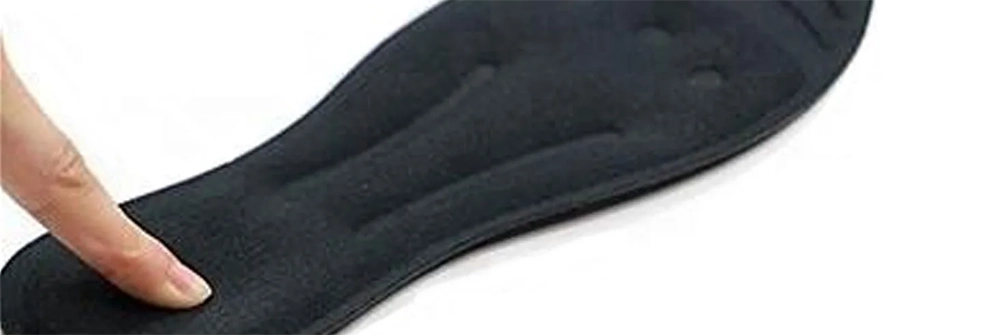
Liquid insoles have become increasingly popular in recent years because of their ability to provide dynamic cushioning and pressure distribution. Unlike traditional foam insoles, liquid insoles contain a sealed chamber filled with fluid that moves under pressure. This movement helps absorb shock and improve comfort during walking or standing.
One of the most effective constructions uses a TPU film structure combined with glycerin liquid cushioning. In this design, a flexible TPU membrane forms sealed chambers that hold the liquid inside. The surface of the insole is often covered with a soft textile layer such as superfine velvet to improve comfort and moisture control.
What Is a TPU Glycerin Liquid Insole?
A TPU glycerin insole is a type of liquid cushioning insole made with a flexible thermoplastic polyurethane (TPU) film that encloses glycerin-based liquid inside sealed chambers.
As the wearer walks, the liquid inside the chamber moves and redistributes pressure across the foot. This dynamic response helps reduce localized pressure points and improve comfort.
Flexible TPU Film Structure
The TPU used in liquid insoles is not the rigid injection-molded TPU that is commonly used in structural arch supports. Instead, these insoles use a flexible TPU film that can be sealed through high-frequency welding.
The typical thickness of this TPU film ranges between 0.3 mm and 0.7 mm. This thin membrane provides several advantages:
- High flexibility
- Excellent sealing performance
- Lightweight construction
- Good durability under repeated pressure
The thin TPU film forms multiple chambers that securely contain the liquid cushioning material.
Glycerin Liquid Cushioning
The liquid inside the chambers is commonly glycerin or glycerin-based fluid. Glycerin is a viscous liquid that flows slowly under pressure.
This slow movement helps redistribute body weight across the insole surface and provides dynamic cushioning.
Benefits of glycerin cushioning include:
- Improved shock absorption
- Better pressure distribution
- Reduced heel impact
- Enhanced walking comfort
Superfine Velvet Surface Layer
The top layer of many liquid insoles is covered with superfine velvet fabric. This textile layer enhances comfort and improves the user experience.
Key benefits include:
- Soft and smooth surface feel
- Better moisture absorption
- Improved breathability
- Reduced friction inside the shoe
Applications of TPU Liquid Insoles
TPU glycerin liquid insoles are suitable for many types of footwear and daily activities.
- Work boots
- Sports shoes
- Casual footwear
- Long standing occupations
Because of their dynamic cushioning properties, these insoles are especially beneficial for people who spend long hours standing or walking.
Advantages Compared with Traditional Foam Insoles
Traditional foam insoles provide cushioning through material compression. However, foam tends to lose elasticity over time.
Liquid insoles provide cushioning through fluid movement rather than compression alone. This allows them to maintain consistent performance over longer periods.
Conclusion
TPU glycerin liquid insoles combine flexible TPU film technology with dynamic liquid cushioning to create a comfortable and durable insole solution. The use of high-frequency welded TPU membranes with thicknesses between 0.3 mm and 0.7 mm allows the insole to remain lightweight and flexible while securely containing the glycerin liquid.
With the addition of a soft superfine velvet surface layer, these insoles offer a comfortable and effective solution for shock absorption and pressure relief in everyday footwear.
FAQ
What material is used in liquid insoles?
Liquid insoles typically use flexible TPU film to create sealed chambers that contain glycerin-based liquid cushioning.
Is the TPU in liquid insoles rigid?
No. The TPU used in liquid insoles is a thin flexible film, usually between 0.3 mm and 0.7 mm thick, which is sealed using high-frequency welding.
What are the benefits of glycerin liquid cushioning?
Glycerin liquid helps redistribute pressure across the foot and improves shock absorption during walking or standing.