 English
  Español
  Português
  日本語
日本語  Français
  繁體中文
繁體中文  简体中文
简体中文 
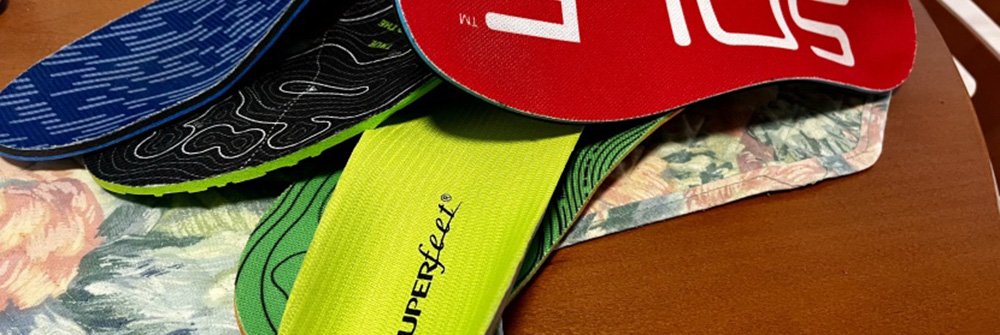
In the global footwear manufacturing landscape, the debate between Polyurethane (PU) and Ethylene Vinyl Acetate (EVA) is far from settled. As we enter 2026, the expectations for professional-grade footwear have evolved from simple comfort to long-term musculoskeletal protection. At Aybroad, we recognize that the foundation of a great insole lies in the cellular structure of its primary material. Choosing between PU and EVA is not merely a cost decision; it is a commitment to the user’s long-term health and the brand’s reputation for quality.
EVA: The Lightweight Champion and Its Limitations. EVA is a closed-cell foam known for its incredible lightness and immediate "step-in" comfort. Because it is essentially a foam filled with tiny air bubbles, it provides a soft, pillowy sensation that consumers love in a retail environment. This makes it the ideal choice for lifestyle sneakers and entry-level sports shoes. However, for industrial work or professional athletics, EVA has a significant drawback: Compression Set. Over a period of weeks or months, the air cells within EVA begin to collapse under the repeated weight of the wearer. This leads to "bottoming out," where the insole loses its cushioning properties and becomes a flat, unresponsive slab of plastic. For a 12-hour shift on a construction site, EVA alone often fails to provide the sustained protection needed to prevent joint fatigue.
PU: The King of Durability and Energy Return. Unlike EVA, Polyurethane (PU) is typically an open-cell or microcellular material. While it is inherently heavier than EVA, it offers what engineers call "Structural Memory." When you step on a PU insole, the material compresses to absorb the shock, but because of its resilient molecular chains, it pushes back with significant energy return. This "bounce" is crucial for reducing the metabolic cost of walking. Furthermore, PU does not suffer from the same rapid compression set as EVA. Even after 500 miles of running or a year of heavy-duty industrial use, a high-quality PU insole from Aybroad will retain approximately 95% of its original thickness and cushioning. This durability is why PU is the gold standard for premium orthotic inserts and high-end safety boots.
The Rise of Hybrid Construction: Engineering the "Sweet Spot"
Modern footwear design is increasingly moving away from "single-material" solutions. At Aybroad, our 2026 design philosophy focuses on Hybrid Multi-Density Construction. By layering these materials, we can harvest the strengths of each while neutralizing their weaknesses. For example, many of our top-performing designs utilize a lightweight EVA base to keep the overall boot weight low, topped with a high-rebound OrthoLite® PU layer. This top layer provides the moisture management (wicking away sweat through its open-cell structure) and long-term cushioning, while the EVA provides the initial impact dampening.
Beyond simple cushioning, we must consider Torsional Stability. A pure EVA insole is often too flexible to provide real medical-grade support. By integrating a Rigid TPU (Thermoplastic Polyurethane) Chassis between the EVA and PU layers, we create a stable platform that prevents the foot from rolling inward (over-pronation). This three-material synergy—EVA for lightness, PU for durability, and TPU for stability—is what separates a professional Aybroad insole from a generic retail insert.
Manufacturing Excellence: Density Control and Quality Assurance
The performance of these materials is only as good as the consistency of their production. In our factory, we use advanced injection molding and cold-press techniques to ensure that every batch of PU has the exact Shore hardness required by the client. We conduct rigorous "Drop Tests" and "Compression Recovery Tests" to simulate years of wear in a matter of days. For brand owners, this technical transparency is vital. When you tell your customers that your boots provide "All-Day Comfort," you need the data to back it up. Aybroad provides that data through our material science expertise.
Ultimately, the choice between PU and EVA should be driven by the end-user's "Mission Profile." Is the user a casual walker or a tactical professional? By consulting with Aybroad’s engineering team, you can customize the density, rebound rate, and thickness of these materials to create a product that not only feels great in the store but continues to protect the user's feet, knees, and lower back for the life of the shoe.