 English
  Español
  Português
  日本語
日本語  Français
  繁體中文
繁體中文  简体中文
简体中文 
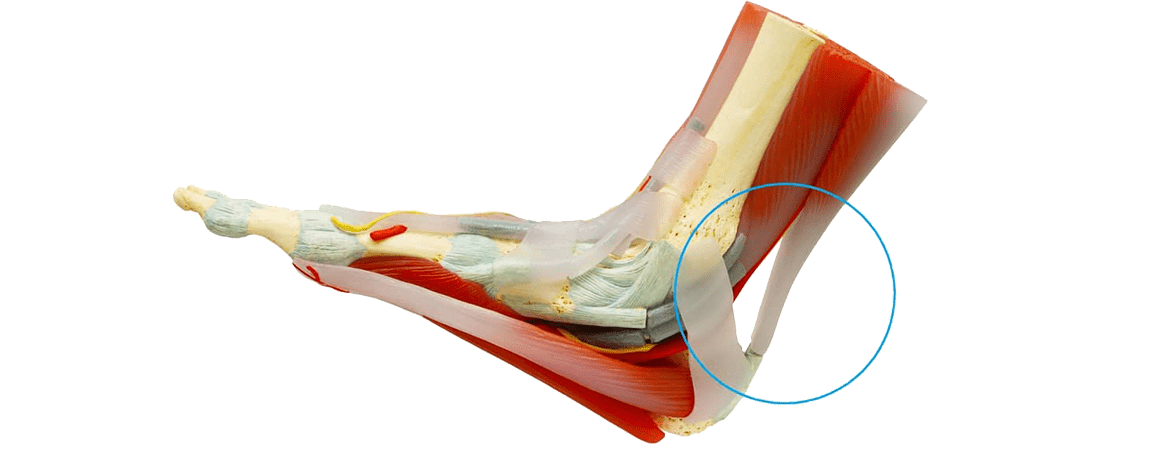
Achilles Tendonitis: The "Vulnerable String" – A Scientific Approach to Recovery
What is the Achilles Tendon? The Achilles tendon is the thickest and strongest tendon in the human body. Connecting the calf muscles to the heel bone, it acts as a high-powered spring, bearing the immense explosive forces required for walking, running, and jumping.
When this "spring" is overstressed due to sudden increases in activity intensity or biomechanical abnormalities, it leads to Achilles Tendonitis. Far from being just an "athlete's injury," it is a common condition in daily life.
I. Symptom Recognition: Is Your Tendon Crying for Help?
-
Morning Stiffness: A noticeable ache or stiffness above the heel when taking your first steps in the morning, which typically eases with movement.
-
Post-Activity Flare-ups: Redness, swelling, or a dull ache in the tendon area (usually 2-6 cm above the heel bone) after prolonged walking or running.
-
Tenderness & Nodules: Pain upon touch, sometimes accompanied by small, palpable bumps or nodules in chronic cases.
II. Root Causes: Where Does the Stress Come From?
Achilles injuries are often a combination of internal and external factors:
-
Biomechanical Deficiencies (Internal): Overpronation (flat feet) causes the foot to roll inward excessively, creating an abnormal "torsional stress" (twisting) on the tendon.
-
Muscle Tightness: Overly tight calf muscles keep the tendon under constant high tension, even at rest.
-
Footwear Failure (External): Worn-out shoes or those with insufficient rearfoot stability fail to filter ground impact, forcing the tendon to absorb the shock.
III. Comprehensive Recovery & Prevention
Recovery requires a synergistic approach combining therapy and mechanical intervention:
-
The R.I.C.E. Protocol (Acute Phase): Rest, Ice, Compression, and Elevation to manage initial inflammation.
-
Mechanical Intervention (The Engineering Fix): As insole specialists, we focus on "Tension Offloading":
-
Heel Elevation (Heel Lift): Incorporating a slight lift (3mm-10mm) instantly shortens the tendon's functional length, reducing physical tension during every step.
-
Dynamic Shock Absorption: Utilizing PORON® or High-Rebound PU to absorb kinetic energy at heel strike, preventing secondary vibration damage to the tendon.
-
Stabilizing Gait Deviations: A rigid TPU Deep Heel Cup locks the hindfoot in place, preventing the "spiral" torsion caused by overpronation or supination.
-